2026 Top High Speed Packaging Machine Suppliers
high speed packaging machine suppliers now face a demanding market shaped by labor shortages, tighter margins, and faster product changes. Buyers want more than impressive cycle rates. They need stable sealing, accurate filling, quick changeovers, and reliable service after installation.
PMMI’s 2024 State of the Industry Report valued U.S. packaging machinery shipments at approximately $11 billion. Its research also highlights automation, digital connectivity, and workforce challenges as major investment drivers. Smithers’ market analysis similarly identifies flexible automation and sustainable packaging formats as important growth influences. These findings give useful direction, but market forecasts are not guarantees. Actual performance depends on product viscosity, package design, operator training, and factory conditions.
Jorge Izquierdo, vice president of market development at PMMI, has described automation as “a key strategy for manufacturers facing labor shortages.” That observation remains highly relevant to every high speed packaging machine evaluation. Speed alone can become expensive. A line running rapidly but producing frequent rejects may damage margins and customer trust.
This guide examines 2026 high speed packaging machine suppliers through practical criteria. These include verified output, machine flexibility, sanitation design, controls, spare-parts access, and technical support. It also considers total cost, not only the purchase price. A supplier may advertise 300 packs per minute, yet real production could be lower with fragile products or frequent format changes.
The strongest suppliers are not always the loudest. Site trials matter. So do maintenance records, customer references, and transparent performance data. Some comparisons remain imperfect, because suppliers measure speed differently. That limitation deserves attention before any final decision.
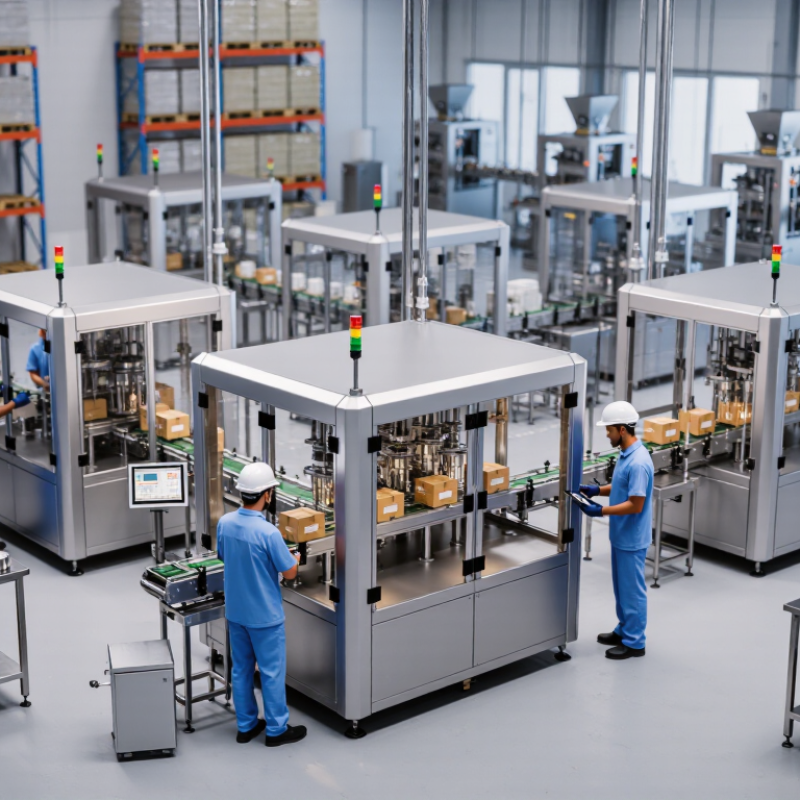
High-Speed Packaging Machines: Types, Functions, and Applications
High-Speed Packaging Machines: Types, Functions, and Applications
High-speed packaging machines automate filling, sealing, labeling, and product handling. Common types include vertical form-fill-seal, horizontal flow-wrapping, rotary pouch, cartoning, and case-packing systems. Vertical machines suit grains, powders, snacks, and other free-flowing products. Horizontal systems protect bakery goods, bars, and medical supplies in sealed film. Rotary pouch machines handle premade bags with multiple synchronized stations.
Their main functions include accurate dosing, controlled film movement, heat sealing, coding, inspection, and automatic rejection. Servo-driven systems coordinate each motion with less mechanical waste. Sensors monitor product position, seal temperature, film tension, and package weight. A clear human-machine interface helps operators adjust speed and change formats. Fast does not mean simple.
In real production, output depends on product behavior, package design, and operator skill. A powder may create dust, while sticky food can slow filling and sealing. During line trials, small seal wrinkles often appear after speed increases. This detail is easy to miss. Proper testing should measure uptime, changeover time, seal strength, waste, and cleaning effort. Packaging lines serve food, pharmaceuticals, personal care, chemicals, and household products, but each sector needs different hygiene and safety controls. I would not approve a machine from speed figures alone. A reliable supplier should provide documented trials, training, spare-parts support, and measurable performance data. Even a well-designed line may need refinement after installation.
Key Criteria for Evaluating Packaging Machine Suppliers in 2026
Selecting a high-speed packaging machine supplier in 2026 requires more than comparing advertised packs per minute. PMMI’s 2024 State of the Industry report valued U.S. packaging machinery shipments at approximately $10.5 billion in 2023. It also identified automation and labor pressure as major investment drivers. That context matters. A fast machine needing constant manual feeding is not fast in production. Ask for verified speed data using your product, film, filling weight, and shift pattern.
Technical proof should include OEE, changeover time, reject rates, energy use, and fault recovery. The International Federation of Robotics reported 541,302 industrial robot installations worldwide in 2023, a 10% annual increase. Therefore, supplier expertise should cover robotics, vision systems, controls, and production data. Require factory and site acceptance targets. Check cleaning access, guarding, noise, and operator training. Small details matter.
Service capability deserves equal attention. Request spare-parts lead times, remote diagnostic procedures, training records, cybersecurity controls, and references from comparable factories. Compare total ownership cost, not only the purchase price. A spreadsheet can still mislead. I would question any supplier promising peak speed without sustained OEE evidence. We have all trusted attractive demonstrations; that was not enough. A two-hour test may hide difficult changeovers, unstable materials, or slow technical support.
Leading High-Speed Packaging Machine Suppliers and Their Specialties
High-speed packaging machine suppliers in 2026 are specializing rather than serving every application equally. Some focus on vertical form-fill-seal systems for snacks, powders, and granules. Others develop horizontal machines for bakery items, bars, and ready-to-eat products. Their strongest designs balance speed with accurate dosing, stable sealing, and gentle product handling.
Leading suppliers often distinguish themselves through specific engineering strengths. Servo-driven motion can improve repeatability during rapid film feeding and cutting. Integrated vision systems inspect print registration, seal quality, and missing components. Hygienic stainless-steel frames support demanding food environments. Advanced cartoning and case-packing specialists concentrate on robotic loading, compact footprints, and smooth product transfers. Reliable suppliers also provide factory testing, operator training, spare parts, and documented maintenance schedules.
Speed alone is not enough. A machine rated for 300 packages per minute may perform differently with real products, changing film, or frequent format changes. Trial runs matter. Ask suppliers to test your product, packaging material, and target weight before purchase. Review actual changeover time, rejected packages, cleaning access, and service response. No supplier is perfect. A polished demonstration can hide difficult adjustments on the factory floor. Careful buyers should record those weaknesses, challenge optimistic claims, and choose equipment that remains dependable during ordinary production, not only during a controlled demonstration.
2026 Top High Speed Packaging Machine Suppliers
Leading high-speed packaging machine suppliers generally specialize by packaging format. The chart compares representative commercial throughput ranges commonly published for high-speed equipment, measured in packs or units per minute.
Typical speed ranges vary according to product type, package size, film material, number of lanes, sealing method, and automation level. Actual output may be lower when quality inspection, changeovers, or difficult-to-handle products are included.
Technology, Automation, and Sustainability Trends Shaping the 2026 Market
In 2026, high-speed packaging machine suppliers will compete on intelligent automation, not speed alone. PMMI’s 2024 State of the Industry Report valued U.S. packaging machinery shipments at approximately $10.3 billion in 2023. Demand is shifting toward flexible lines that change formats quickly. Servo drives, vision inspection, and real-time production data now support this shift. Still, faster equipment can create more waste when changeovers remain poorly controlled.
Industrial robotics will strengthen this market. The International Federation of Robotics reported 541,302 industrial robot installations worldwide in 2023. Packaging lines increasingly use robots for loading, case packing, and palletizing. Smaller sensors also monitor temperature, sealing pressure, and vibration. These details help prevent defects before a full batch is affected. The technology is impressive. Integration is not always simple.
Sustainability is becoming a purchasing requirement. The OECD’s Global Plastics Outlook identifies packaging as the largest source of plastic waste, making material reduction urgent. Leading suppliers are developing lighter machines, lower-air-consumption systems, and software that measures energy per package. Equipment must also handle recyclable and mono-material films without sacrificing seal quality. Buyers should request measured power data and factory acceptance tests. A polished demonstration proves little. Long-term maintenance records, operator training, and honest limits matter more.
How to Select the Right High-Speed Packaging Machine Supplier
Selecting the right high-speed packaging machine supplier requires more than comparing catalog prices. Start with your product, film type, package dimensions, and target output. A supplier should explain how its machine handles your actual materials, not only display an impressive speed figure. Ask for a live demonstration using your product. Seals, sensors, and changeover time often reveal more than a brochure.
Check the supplier’s engineering experience and service capacity. Request test reports, maintenance schedules, electrical drawings, and clear warranty terms. Reliable suppliers provide traceable quality records and support staff who understand production pressure. Speak with current users in similar industries. Their feedback may expose delays that sales meetings hide. A perfect supplier rarely exists. One may offer excellent technology but weak regional support.
Tips: Define acceptable downtime before requesting quotations. Measure real output during a factory acceptance test, including rejects and changeovers. Confirm spare-parts availability, training hours, and remote troubleshooting procedures. Also ask whether the machine can grow with your operation. A lower-cost system may become expensive when packaging formats change. Do not ignore operator feedback; they notice awkward access panels and cleaning problems first. Leave room for doubt, and record every assumption in the contract.