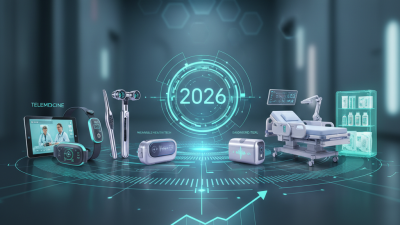
2026 Top Types of Medical Supplies to Order Globally
Global healthcare procurement is entering 2026 under pressure from aging populations, infectious-disease risks, climate events, and uneven hospital capacity. The World Health Organization’s Global Health Expenditure Report 2023 recorded global health spending of approximately US$9.8 trillion in 2021. That scale makes reliable purchasing essential, not optional.
This guide examines the top types of medical supplies expected to receive global demand in 2026. These include personal protective equipment, diagnostic tests, wound-care products, syringes, infusion sets, oxygen equipment, cold-chain tools, and essential monitoring devices. WHO prequalification, ISO 13485 certification, lot traceability, shelf-life checks, and local registration remain practical safeguards when buyers order medical supplies. Product labels matter. So do storage temperatures.
Supply-chain expert Yossi Sheffi has stated, “The supply chain is only as strong as its weakest link.” His observation applies directly to hospitals comparing suppliers, transport routes, and emergency inventories. A low price cannot compensate for missing documentation, damaged cartons, or an interrupted cold chain. The OECD’s health-system resilience research also emphasizes diversified sourcing, stronger stock visibility, and coordinated procurement.
Forecasts are not guarantees. Demand can change quickly.
A spreadsheet may miss rural delivery delays or a sudden shortage of sterile components. That weakness deserves attention. The sections ahead therefore combine market signals with procurement experience and evidence-based quality checks. They also recognize an uncomfortable truth: the most advanced product is not always the most useful one. In many regions, dependable basics still save more lives.
Definition and Scope of Medical Supplies in Global Healthcare
Medical supplies cover the physical products used to prevent, diagnose, monitor, treat, and rehabilitate patients. The scope includes syringes, dressings, gloves, masks, surgical instruments, diagnostic kits, patient monitors, mobility aids, and hospital equipment. It can also include sterilization tools, storage containers, and temperature-monitoring devices. The boundary is blurred. A product may be regulated differently across countries, even when its clinical purpose remains identical.
The World Health Organization’s Global Atlas of Medical Devices reports more than two million medical device types, grouped into over 7,000 generic categories. This scale makes accurate product classification essential before global ordering. WHO also estimates that more than 2.5 billion people need assistive products, with demand potentially exceeding 3.5 billion by 2050. These figures show why supplies extend beyond acute hospital care. They include wheelchairs, hearing aids, orthopedic supports, and home-care equipment.
Global procurement also requires evidence beyond price. WHO reported worldwide health spending of approximately 9.8 trillion US dollars in 2021, showing the sector’s enormous purchasing scale. Yet a lower unit price may hide weak packaging, short shelf life, or difficult replacement procedures. Procurement teams should check intended use, technical specifications, sterility, labeling, traceability, and storage conditions. Cold-chain products need documented temperature control from dispatch to delivery. I would not treat every “medical supply” list as complete; local clinical practice and national registration rules can change the real scope. A practical order may therefore begin with a use-case, not a product name.
Major Types of Medical Supplies to Order in 2026
Global buyers in 2026 should prioritize essential, frequently used medical supplies. Key categories include personal protective equipment, examination gloves, masks, syringes, needles, wound dressings, IV sets, disinfectants, and diagnostic consumables. These products support routine care, vaccination, emergency treatment, and infection prevention. WHO and UNICEF estimates recorded 14.5 million zero-dose children in 2023, showing continued demand for safe syringes and related immunization supplies.
Infection control deserves careful attention. The WHO Global Report on Infection Prevention and Control 2024 estimates that seven in 100 acute-care patients in high-income countries acquire healthcare-associated infections. The figure rises to 15 in 100 in low- and middle-income countries. Hospitals may therefore need more gloves, sterile gowns, masks, antiseptic products, and sterilization indicators. Diagnostic supplies also matter, including specimen containers, rapid test materials, blood collection tubes, and calibration controls. Forecasts are useful, but never perfectly accurate.
Tips: Build orders around patient volume, storage space, shelf life, and local clinical protocols. Check packaging integrity and sterility before shipment. Keep buffer stock for critical items, but avoid excessive inventory. A carton count can look efficient while hiding poor product fit. Review usage data monthly, and revise assumptions when seasonal demand changes.
Key Factors for Assessing Medical Supply Quality and Safety
2026 Top Types of Medical Supplies to Order Globally
Key Factors for Assessing Medical Supply Quality and Safety
Global ordering in 2026 will include sterile gloves, wound-care products, diagnostic kits, syringes, and temperature-sensitive supplies. Quality assessment must begin before price comparison. The World Health Organization estimates that one in ten medical products in low- and middle-income countries may be substandard or falsified. That figure demands evidence, not assumptions.
Check the manufacturer’s quality system against ISO 13485 requirements. Review batch records, sterility testing, shelf-life data, and certificates of analysis. For devices, examine risk controls aligned with ISO 14971. Packaging also matters. A crushed carton, unclear label, or missing lot number can weaken traceability. For cold-chain products, request temperature logs and alarm records. A delivery that arrives warm may already be unsafe, even when the seal looks untouched.
Supplier audits should verify training, cleaning procedures, complaint handling, and recall readiness. The WHO Global Surveillance and Monitoring System stresses the importance of reporting suspicious or poor-quality medical products. Ask for independent laboratory results when claims seem unusually broad. Be cautious with perfect paperwork. Documents can be incomplete, outdated, or poorly matched to the actual batch. No checklist is perfect. Procurement teams should record exceptions, investigate them, and avoid treating certification as automatic proof of safety. That extra discipline may slow an order, but it protects patients and strengthens supply decisions.
Global Sourcing, Regulations, and Supply Chain Considerations
Global medical supply sourcing in 2026 requires more than comparing unit prices. Common orders include protective equipment, wound-care products, syringes, diagnostic consumables, and monitoring accessories. Each category carries different quality and regulatory risks.
Product classification changes by destination. A low-risk dressing may need different evidence than a diagnostic device. Importers should verify registration, labeling, language, shelf-life, and permitted claims before purchase. Documents may include certificates of conformity, test reports, quality-management records, and lot-traceability data. ISO 13485 alignment can support supplier evaluation, but it does not replace local approval. Check the rules directly.
Supply chain planning should begin with the final delivery point. Confirm customs requirements, temperature limits, packaging strength, and emergency stock levels. Some supplies need controlled storage or strict expiry management. A supplier audit should examine production records, complaint handling, change control, and corrective actions. Samples are useful, but one successful sample cannot prove stable production.
Small details matter. A missing translation can delay clearance. A weak carton can damage sterile packaging. Forecasts also fail when hospitals change purchasing schedules. Procurement teams should use approved alternatives, dual sourcing, and documented inspection points. This is not always efficient. Yet resilience usually costs less than an urgent replacement order. Review every assumption before signing.
Emerging Trends Shaping International Medical Supply Orders
2026 Top Types of Medical Supplies to Order Globally
Emerging Trends Shaping International Medical Supply Orders
International medical supply orders are moving toward smarter, more flexible purchasing. Hospitals increasingly request diagnostic kits, remote-monitoring devices, sterile consumables, and compact emergency equipment. Demand is shaped by aging populations, climate events, and wider access to community healthcare.
Traceability now influences supplier selection. Buyers want batch records, temperature logs, expiry alerts, and clear documentation before shipment. Digital inventory systems can connect warehouses with clinics across borders. However, data quality remains uneven. A perfect dashboard cannot fix inaccurate stock counts.
Cold-chain planning is becoming more precise. Insulated packaging, real-time sensors, and route-risk assessments help protect temperature-sensitive supplies. Procurement teams also examine local storage capacity before approving large orders. This practical step prevents waste at the final destination.
Sustainability is entering purchasing discussions, though progress is inconsistent. Reusable transport containers, smaller packaging, and lower-waste materials can reduce environmental pressure. Yet sterilization and safety requirements may limit these options. Cost still decides too many orders.
Regional customization matters more than global uniformity. A rural clinic may need durable basic supplies, while an urban hospital requires connected equipment and rapid replenishment. Experienced buyers compare clinical needs, training resources, import rules, and after-sales support. Forecasts remain imperfect. A small seasonal outbreak can change demand within days.
2026 Top Types of Medical Supplies to Order Globally - Emerging Trends Shaping International Medical Supply Orders
The following planning table summarizes major medical-supply categories, internationally recognized specifications, and procurement trends relevant to global orders in 2026.
| Supply Category | Representative Products | 2026 Global Ordering Trend | Key Technical or Quality Requirements | Storage and Logistics Considerations | International Procurement Priorities | Expected Order Priority |
|---|---|---|---|---|---|---|
| Personal Protective Equipment | Surgical masks, medical respirators, examination gloves, protective gowns, face shields and protective eyewear | Demand is shifting toward diversified suppliers, verified filtration performance, and contingency stock rather than single-source purchasing. | Applicable requirements may include EN 14683 for medical masks, ASTM F2100 performance classifications, EN 149 for filtering half masks, and EN 455 for medical gloves. | Most products are suitable for dry ambient storage. Packaging should protect against humidity, heat, dust and ultraviolet exposure during long-distance transport. | Verify conformity documents, lot traceability, shelf life, sizing, material composition, allergen information and local import rules. | High |
| Syringes, Needles and Injection Safety Devices | Disposable syringes, hypodermic needles, auto-disable syringes and safety-engineered injection devices | International orders increasingly favor safety-engineered products and standardized pack sizes for immunization, chronic-care and emergency programs. | Relevant standards include ISO 7886-1 for sterile single-use syringes and ISO 7864 for sterile hypodermic needles. Sterility, leakage resistance and accurate graduation are essential. | Store in clean, dry conditions with cartons protected from crushing and moisture. Sterile packaging must remain intact throughout handling. | Confirm needle gauge and length, syringe volume, dead-space design, sterilization method, unit packaging and compatibility with intended procedures. | High |
| In-Vitro Diagnostic Consumables | Sample-collection tubes, swabs, pipette tips, test cartridges, reagents, controls and specimen transport media | Procurement is moving toward decentralized testing, multiplex assays, stable reagents and supply packages that reduce dependence on specialized laboratories. | Products should have clear intended-use information, validated performance data, lot controls and applicable conformity documentation for in-vitro diagnostic devices. | Temperature requirements vary widely. Some reagents require refrigerated or frozen transport, while others are designed for ambient-temperature stability. | Check specimen type, analytical sensitivity, expiration date, calibration requirements, external quality controls and regional registration status. | High |
| Intravenous and Infusion Supplies | IV administration sets, extension lines, needleless connectors, blood-transfusion sets and infusion filters | Hospitals are prioritizing standardized connectors, closed-system features, lower medication-error risk and reliable availability for acute and long-term care. | ISO 8536 series requirements may apply to infusion equipment. Sterility, biocompatibility, flow performance, leak resistance and connector compatibility must be verified. | Keep sterile products in their original packaging and protect them from excessive heat, moisture, compression and contamination. | Review tubing length, connector type, filter size, priming volume, latex status, sterile barrier integrity and compatibility with existing equipment. | High |
| Wound Care and Surgical Dressings | Gauze, adhesive dressings, absorbent pads, foam dressings, hydrocolloids, compression bandages and surgical drapes | Orders are increasingly influenced by chronic-wound management, outpatient care, antimicrobial stewardship and demand for dressings that reduce replacement frequency. | Important attributes include absorbency, adhesion, vapor permeability, conformability, sterility where required and skin-contact safety. | Most products can be transported at ambient temperature, but they should be protected from humidity, contamination, direct sunlight and package damage. | Compare wound indications, dressing dimensions, wear time, sterile and non-sterile options, removal characteristics and disposal requirements. | High |
| Oxygen and Respiratory Therapy Supplies | Oxygen masks, nasal cannulas, breathing circuits, humidifier bottles, nebulizer kits and respiratory filters | Global purchasing is emphasizing resilient oxygen ecosystems, interchangeable consumables, preventive maintenance and supplies suitable for facilities with limited infrastructure. | Verify flow-range suitability, connector compatibility, oxygen concentration performance where applicable, biocompatibility and single-use labeling. | Products should be stored in clean, dry environments. Oxygen-related equipment requires careful handling, protection from oil and grease, and appropriate transport controls. | Assess compatibility with oxygen sources, patient age range, tubing length, replacement intervals, cleaning requirements and local technical-support capacity. | High |
| Cold-Chain Medical Supplies | Vaccine carriers, insulated shipping containers, temperature indicators, gel packs, data loggers and refrigerated diagnostic materials | Orders are moving toward real-time temperature visibility, validated packaging, lower-energy refrigeration and better last-mile delivery control. | Temperature mapping, packaging qualification, calibrated monitoring devices and documented excursion procedures are essential for temperature-sensitive products. | Many vaccines and biological materials require controlled conditions, commonly 2–8°C, although exact requirements depend on the product. Freeze-sensitive materials must be protected from freezing. | Define temperature range, transport duration, lane qualification, monitoring method, customs-release process and contingency arrangements for delays. | High |
| Blood Collection and Transfusion Consumables | Blood-collection bags, donor needles, sample tubes, leukocyte filters and transfusion sets | Procurement is focusing on safer blood processing, traceability, standardized sampling and reduction of transfusion-associated risks. | Products require validated sterility, material compatibility, secure closures, accurate labeling and performance suitable for blood collection or transfusion workflows. | Some products have defined temperature limits and strict shelf-life requirements. Packaging must prevent puncture, crushing and contamination. | Confirm anticoagulant type, collection volume, tubing configuration, filter specification, labeling format and compatibility with national blood-service procedures. | Medium-High |
| Dialysis and Renal-Care Consumables | Hemodialysis bloodlines, dialyzers, fistula needles, catheter dressings, dialysate concentrates and peritoneal dialysis supplies | Demand is being shaped by the expansion of chronic-disease care, home-based treatment, water-quality management and continuity planning for recurring consumables. | Important checks include membrane performance, sterility, endotoxin control, biocompatibility, connector integrity and compatibility with the treatment system. | Maintain clean, dry storage and protect cartons from extreme temperatures, moisture and physical damage. Some solutions have specific temperature limits. | Plan recurring delivery schedules, calculate consumption per treatment, verify machine compatibility and establish emergency stock for patient continuity. | Medium-High |
| Sterilization and Infection-Control Supplies | Autoclave indicators, sterilization pouches, instrument trays, disinfectant wipes, surface disinfectants and biological indicators | Healthcare facilities are increasing investment in documented reprocessing workflows, chemical monitoring and infection-prevention supplies across both hospitals and clinics. | Products should have validated indicator performance, clear instructions for use, chemical compatibility data and appropriate efficacy claims for the intended application. | Disinfectants may require controlled storage, ventilation and segregation from incompatible chemicals. Sterilization packaging must remain dry and undamaged. | Verify active ingredients, contact time, target organisms, compatibility with surfaces, transport classification and occupational-safety documentation. | High |
| Emergency and Disaster-Response Supplies | Trauma dressings, tourniquets, emergency blankets, airway kits, burn-care materials, splints and portable first-aid modules | Governments and healthcare systems are expanding modular emergency inventories to address outbreaks, extreme weather events, displacement and mass-casualty incidents. | Products should be rapidly deployable, clearly labeled, tamper-evident where appropriate and packaged for defined clinical scenarios. | Use moisture-resistant, stackable packaging with visible expiration dates. Periodic rotation is required for sterile and time-limited items. | Prioritize standardized kits, multilingual labeling, compact dimensions, rapid replenishment, inventory visibility and compatibility with local emergency protocols. | High |
| Home-Care and Remote-Monitoring Supplies | Digital thermometers, blood-pressure cuffs, pulse oximeter probes, glucose-monitoring consumables and home wound-care kits | International orders are increasingly supporting hospital-at-home programs, telehealth, community screening and long-term management of noncommunicable diseases. | Measurement accuracy, user instructions, electrical safety where applicable, validated accessories and accessible data-recording functions are important. | Most products are ambient-stable, but electronic devices require protection from moisture, shock, extreme temperatures and battery depletion. | Evaluate usability, language support, cuff or sensor sizing, connectivity requirements, replacement-part availability and local calibration or verification rules. | Medium-High |

Related Posts
-
China Top 10 Medical Supplies Manufacturers?
-
What is Doctors Supplies and How to Source Them Globally?
-
2026 Top Medical Supply Stores for Global Buyers?
-
Top Medical Equipment and Supplies to Watch in 2026?
-
How to Choose the Best Medical Supplies for Your Needs?
-
Top Tips for Supplying Medical Equipment Effectively?