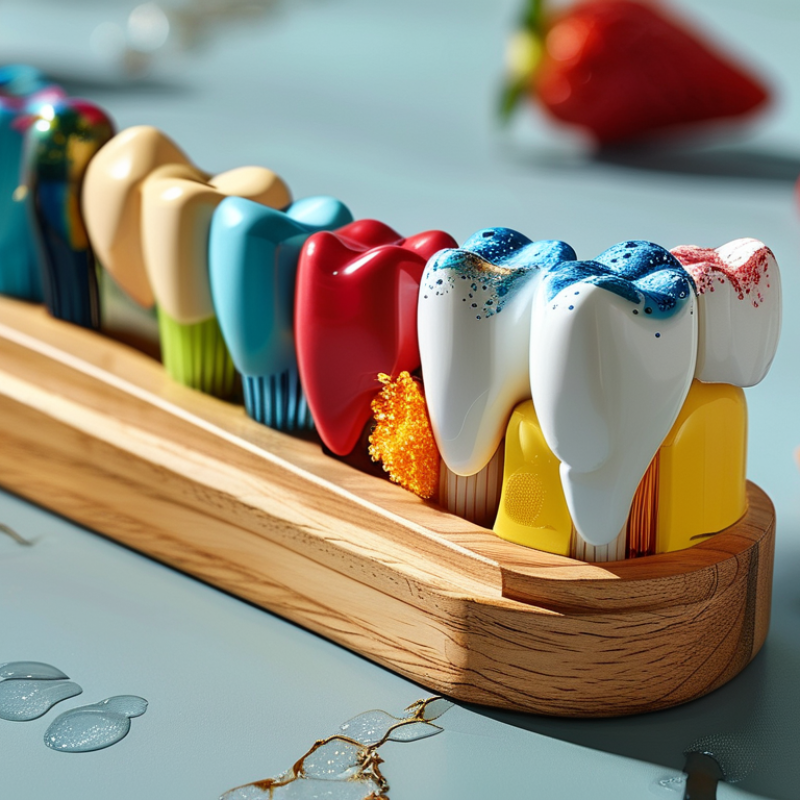
Best Antibacterial Toothbrush for Superior Oral Hygiene?
Maintaining oral hygiene is crucial for overall health. One effective tool is the Antibacterial Toothbrush. This specialized brush goes beyond typical bristles. It fights bacteria, reduces plaque, and promotes healthier gums.
However, choosing the right antibacterial toothbrush can be challenging. Not all products claim the same level of effectiveness. Some brands may mislead consumers with flashy marketing while lacking real antimicrobial properties. This causes confusion and trust issues among buyers.
Additionally, while antibacterial features are beneficial, they are not a substitute for proper brushing techniques. Users may rely too heavily on the toothbrush's capabilities. Regular dental check-ups and a balanced diet are equally vital for maintaining oral health. Reflecting on our daily habits can lead to better practices.
What Is an Antibacterial Toothbrush and How Does It Work?
Antibacterial toothbrushes incorporate special technologies designed to inhibit the growth of harmful bacteria. They typically feature bristles infused with antimicrobial agents. These agents can significantly reduce bacterial load on the brush's surface. According to a 2021 study published in the Journal of Dental Research, using antibacterial toothbrushes can lower the levels of pathogenic bacteria by up to 90% compared to standard toothbrushes.
Interestingly, the effectiveness of these toothbrushes may vary. Some studies suggest that simply using a regular toothbrush with proper technique can also maintain oral hygiene effectively. Factors such as the frequency of brush replacement and brushing technique play a crucial role in oral health. Regularly replacing any toothbrush, including antibacterial types, every three months is recommended for optimal hygiene. Furthermore, using an antibacterial brush does not eliminate the need for flossing and regular dental check-ups.
It's essential to recognize that while antibacterial toothbrushes offer added benefits, they are not a substitute for comprehensive oral hygiene practices. The American Dental Association states that effective brushing, flossing, and routine dental care are paramount for preventing gum disease and cavities. Balancing the use of technology with traditional practices can provide a more holistic approach to oral care.
Benefits of Using Antibacterial Toothbrushes for Oral Hygiene
Antibacterial toothbrushes are designed to help maintain superior oral hygiene. Research shows that bacteria can thrive on toothbrushes. A study from the American Dental Association found that around 70% of toothbrushes harbor harmful bacteria, which can lead to gum disease and other oral health issues. By using an antibacterial toothbrush, users can significantly reduce the presence of these pathogens.
The benefits extend beyond just bacteria elimination. Many antibacterial toothbrushes feature bristles treated with antimicrobial agents. This can help keep the toothbrush cleaner for a longer period. According to a report by Dental Health Journal, using such toothbrushes may help reduce plaque buildup by up to 30%. This shows that they can contribute to better overall oral health. While some users may feel a slight difference in texture, it's essential to remember that not every product suits everyone.
Maintaining oral hygiene is not just about brushing; it's a multifaceted approach. Regular replacement of your toothbrush, combined with the benefits of antibacterial features, can enhance your dental care routine. However, the effectiveness can depend on individual habits and techniques. It's a journey that requires reflection and adaptability.
Benefits of Using Antibacterial Toothbrushes for Oral Hygiene
Comparative Analysis of Popular Antibacterial Toothbrush Brands
When selecting an antibacterial toothbrush, understanding the features is crucial. Recent studies show that antibacterial toothbrushes can reduce plaque by up to 30% compared to traditional brushes. These brushes are often treated with substances that inhibit bacterial growth, potentially leading to better oral health outcomes.
In comparing popular brands, key factors include brush bristle material, design, and treatment methods. According to dental health experts, some brushes use nylon bristles infused with antimicrobial agents, while others rely on silver ions or other technologies. Each method has its effectiveness and longevity, so choosing the right one can be vital for superior oral hygiene.
Tip: Look for toothbrushes with soft bristles. They are gentle on gums and effective in plaque removal.
Another consideration is the frequency of replacement. Studies recommend changing your toothbrush every three months. However, if you notice wear or discoloration, it’s wise to replace it sooner. Different materials may also degrade at varying rates under regular use, affecting their antibacterial properties over time.
Tip: Rinse your toothbrush thoroughly after each use. This simple step helps remove toothpaste and debris, maintaining its cleanliness.
Tips for Maintaining and Cleaning Your Antibacterial Toothbrush
Maintaining an antibacterial toothbrush is crucial for optimal oral hygiene. Rinsing your toothbrush thoroughly after each use is vital. This simple step removes food particles and bacteria. Storing it upright allows it to air dry. Avoid putting it in a closed container, which can encourage bacterial growth.
Regularly replacing your toothbrush is essential, too. Even the best antibacterial property diminishes over time. Aim to replace it every three months or sooner if bristles appear frayed. This helps maintain effective plaque removal. Consider soaking the brush in mouthwash or a saline solution once a week. This practice can further reduce bacteria buildup.
Despite following these tips, no toothbrush can be perfectly cleaned. Some bacteria may always remain. Regular dental check-ups complement your brushing routine. It's an ongoing process. Each small effort contributes to a healthier mouth. Always reflect on your habits. Are you brushing for two minutes? Are you using the right technique? Awareness can lead to better practices.
Potential Concerns and Misconceptions About Antibacterial Toothbrushes
Antibacterial toothbrushes are marketed as essential for oral hygiene. However, there are potential concerns that users should keep in mind. Many people assume that these toothbrushes will eliminate all bacteria in the mouth. This assumption can be misleading. While antibacterial properties may help, they don’t guarantee a complete elimination of harmful bacteria. The mouth is a complex ecosystem. It hosts both good and bad bacteria, and complete eradication isn’t ideal for oral health.
Another misconception is that these toothbrushes can replace regular dental hygiene practices. Relying solely on an antibacterial toothbrush might lead to neglecting flossing or regular dentist visits. Dental professionals continually emphasize the importance of a holistic approach to oral health. Proper brushing techniques should be prioritized over the type of toothbrush. It’s crucial to focus on consistent routine care, including personalized dentist advice.
Moreover, some antibacterial materials might wear off over time. Users may not be aware of how effective their toothbrush remains after repeated use. Regular inspections and timely replacements are necessary. Users should also reflect on their brushing habits and overall dental care. Understanding that a toothbrush is just one part of a broader health strategy is essential. This awareness can lead to better choices for superior oral hygiene.
Best Antibacterial Toothbrush for Superior Oral Hygiene? - Potential Concerns and Misconceptions About Antibacterial Toothbrushes
| Feature | Description | Potential Concerns |
| Material | Made with antibacterial materials that inhibit bacterial growth. | Some materials may cause allergic reactions in sensitive users. |
| Efficacy | Can reduce bacterial load in the mouth more effectively than standard brushes. | Effectiveness can diminish over time as antibacterial properties wear off. |
| Cost | Typically higher than standard toothbrushes due to specialized materials. | Higher cost may not guarantee superior cleaning compared to regular brushes. |
| Durability | Designed for longer use without bacterial buildup. | Overuse without replacement can still harbor bacteria. |
| Consumer Myths | Promoted as necessary for optimal dental hygiene. | Regular brushing technique and frequency are more crucial than brush type. |