• Shopping Cart Shopping Cart
    0Shopping Cart
Medical Supply Solutions
  • SERVICES
  • PRODUCTS
    • Durable Medical Equipment
    • General Medical Supplies
    • Incontinence Supplies
  • ABOUT US
  • SALES REPS
  • CONTACT US
  • BLOG
  • Menu Menu
Best 10 Care Equipment for Home Health Needs?

Best 10 Care Equipment for Home Health Needs?

In today's world, having the right care equipment at home is essential for managing health needs. From mobility aids to monitoring devices, these tools can transform daily living. A well-equipped home can enhance life quality.

Selecting suitable care equipment is not always easy, though. Many choices exist, and personal needs vary significantly. Some devices may promise wonders but fall short in real-life use. It's crucial to assess your unique situation before making decisions.

To navigate this landscape, understanding the essential care equipment available is vital. This guide presents the top ten options that cater to various health requirements. Choosing wisely can lead to greater independence and comfort in daily routines.
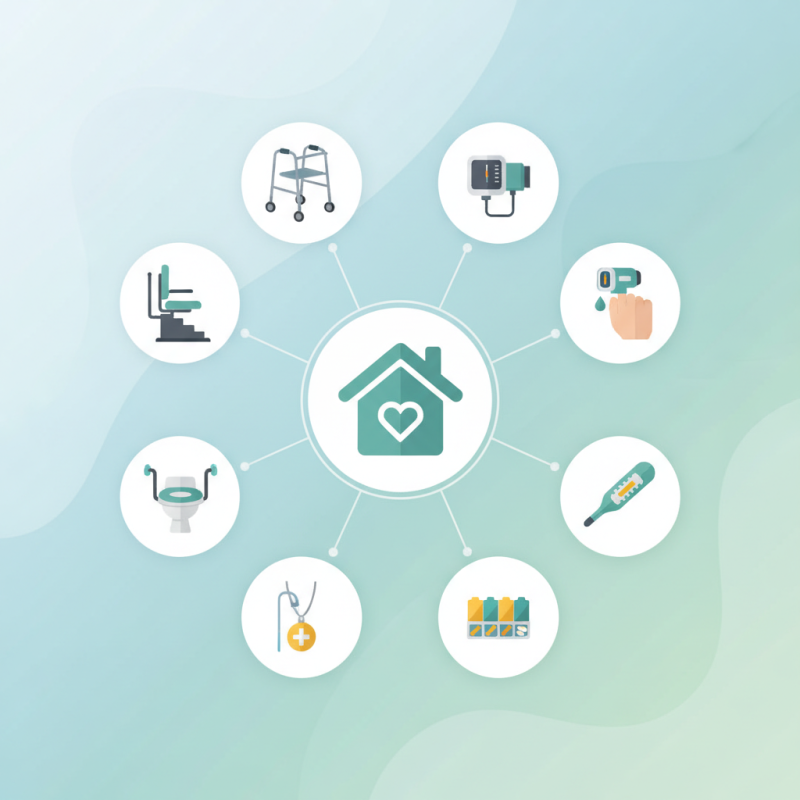
Best 10 Care Equipment for Home Health Needs?
Table of Contents [Hide]
1 Essential Criteria for Selecting Care Equipment for Home Health Needs
2 Top 10 Recommended Mobility Aids for Enhanced Independence at Home
3 Key Features of Monitoring Devices for Health Tracking at Home
4 Best Hygiene and Assistance Tools for Daily Living Activities
5 Effective Communication Devices for Seniors and Home Health Patients

Essential Criteria for Selecting Care Equipment for Home Health Needs

Choosing the right care equipment for home health needs requires careful consideration. Many factors come into play. The first is safety. Items should be sturdy and reliable. Look for equipment that meets safety standards. This is crucial for preventing injuries or accidents at home.

Another essential criterion is usability. Equipment needs to be easy to operate. Complicated devices may frustrate users, especially the elderly. For example, look for simple controls and clear instructions. Comfort is also vital. Care equipment should provide support without causing strain. Test different options to find what feels best.

Lastly, consider space and storage. Some equipment can be bulky. Ensure there is enough room in the home for proper storage. Reflect on the daily routines and find practical solutions. Thoughtful choices in care equipment can help enhance quality of life at home.

Best 10 Care Equipment for Home Health Needs

Item Purpose Key Features Considerations
Bed Rail Prevents falls from bed Adjustable height, secure installation Check for compatibility with bed type
Walker Assists with mobility Foldable, height adjustable Ensure proper fit for user
Shower Chair Provides stability in the shower Non-slip feet, lightweight Ensure weight capacity is adequate
Commode Chair Mobile toilet solution Removable bucket, height adjustable Check for ease of cleaning
Blood Pressure Monitor Monitors heart health Digital display, automatic inflation Ensure accuracy with calibration
Oxygen Concentrator Provides oxygen therapy Portable, adjustable flow rate Monitor battery life for mobility
Inhaler Delivers asthma medication Spacer included, user-friendly Check expiration date on medication
Thermometer Measures body temperature Digital, fast reading Ensure it's suitable for all ages
Transfer Bench Helps transfer in/out of bathtub Sturdy construction, adjustable height Ensure correct measurement for fit
Exercise Equipment Promotes physical fitness Variety of resistance levels, compact size Select equipment suitable for ability level

Top 10 Recommended Mobility Aids for Enhanced Independence at Home

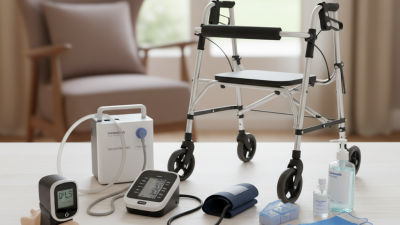
When it comes to enhancing independence at home, selecting the right mobility aids is crucial. Many individuals find themselves struggling with balance or strength. Simple daily tasks can become daunting challenges. A walker can provide stability and reassurance, allowing movement without fear. These aids often come with various features. Some have wheels for easier navigation, while others offer a built-in seat for resting. Each type serves a unique purpose.

Another essential device is the grab bar. Installing these in the bathroom or along stairways can greatly reduce the risk of falls. They offer support where it is most needed. Additionally, reaching aids can help individuals grab items from high shelves or tight spaces. While these tools are effective, they may require some adjustment. Users sometimes feel hesitant or frustrated at first. It’s important to allow time for adaptation and practice.

A rollator combines walking aid and a portable seat. Users can take breaks as needed. However, mobility aids should not replace physical therapy routines. Regular movement is necessary for strength. Some may find it hard to accept the need for assistance. This feeling can be overwhelming at times. Acknowledging this is the first step toward a more independent lifestyle.

Key Features of Monitoring Devices for Health Tracking at Home

Best 10 Care Equipment for Home Health Needs?

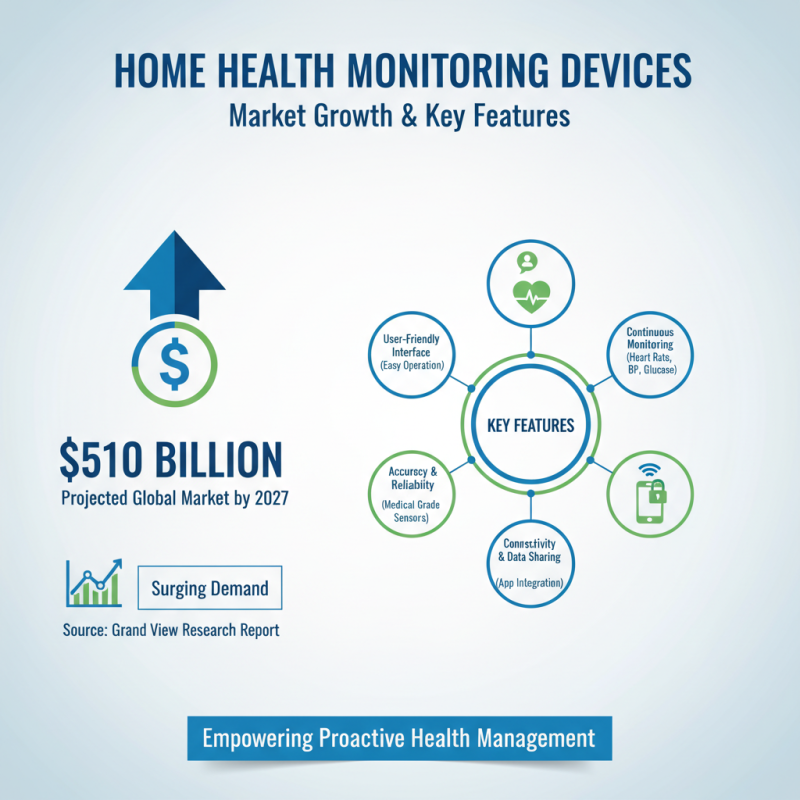
In recent years, the demand for home health monitoring devices has surged. According to a report from Grand View Research, the global home healthcare market is projected to reach $510 billion by 2027. This highlights a growing need for effective monitoring solutions. Key features of these devices play a significant role in their effectiveness.

Firstly, accuracy is crucial. Many devices provide real-time data tracking. This allows for early detection of potential health issues. For example, smart blood pressure monitors can send alerts if readings are too high. However, not all devices maintain consistent accuracy, which is a concern for users. Regular calibration can be a tedious task, yet it's essential for reliable results.

User-friendliness is another key factor. Many individuals prefer devices that are easy to operate. Simple interfaces can significantly enhance user experience. Yet, some products are complex, leading to frustration among users. For instance, intricate smartphone apps might intimidate older adults. Accessibility should be a priority, yet it’s often overlooked. These devices should ideally cater to all age groups, promoting independence while ensuring safety.

Best Hygiene and Assistance Tools for Daily Living Activities

Maintaining personal hygiene is crucial for daily living. Tools that assist in this area can greatly enhance quality of life. Devices like long-handled sponges make bathing easier. They let users reach difficult areas without straining. This simple adjustment can lead to a significant increase in comfort.

Consider grab bars in the bathroom. They provide support and stability, reducing the risk of falls. They might feel intrusive at first, but their presence encourages independence. Using shower chairs can also help those who tire easily. These aids empower individuals to take control of their hygiene routines.

For dressing, dressing sticks are quite helpful. They help people put on clothes without bending too much. This can be challenging for some, and these tools can help. However, not every tool works for everyone. It's important to reflect on personal needs. Trying several options can lead to discovering what truly enhances daily living.

Effective Communication Devices for Seniors and Home Health Patients

Best 10 Care Equipment for Home Health Needs?

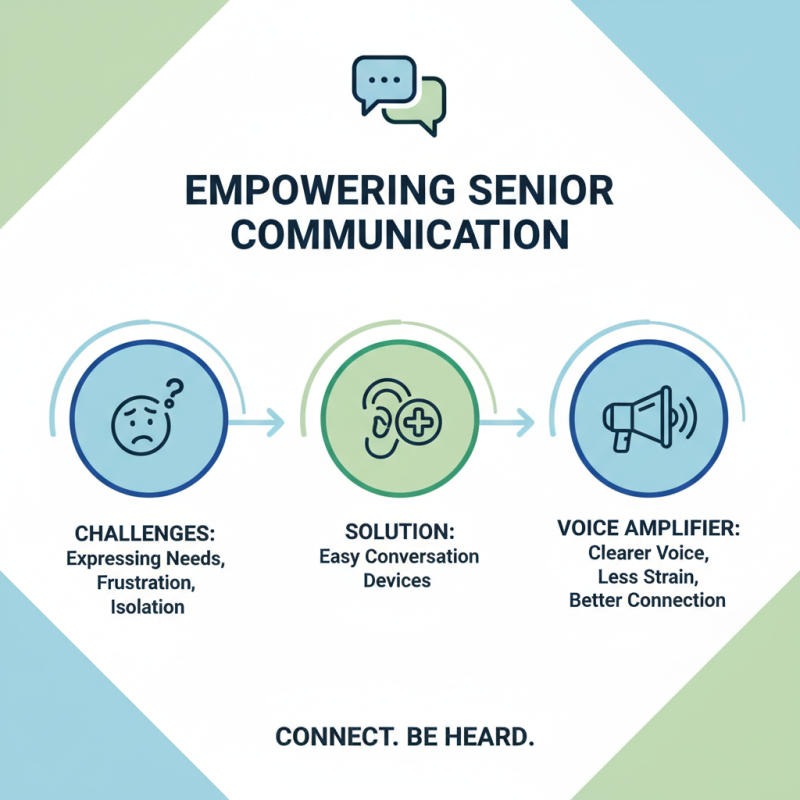
Effective communication is crucial for seniors and home health patients. They often face challenges in expressing their needs. This can lead to frustration and isolation. Devices designed for easy conversation can make a big difference. Simple voice amplifiers can help those with hearing difficulties. They allow users to project their voice clearly. This device reduces the strain on both speaker and listener.

Another valuable tool is a user-friendly smartphone. Many seniors are unfamiliar with advanced technology. An easy-to-use app can facilitate video calls with family and friends. It bridges gaps and fosters connection. However, not all seniors are tech-savvy. Training and support are necessary to maximize the benefits. Tablets with large icons and simplified functions are also effective. They provide access to health information and emergency contacts.

Text-to-speech devices can empower home health patients. These tools convert written text into spoken words. This assists those with speech impairments. However, adapting to new devices can be challenging. Some may forget to charge them regularly. Others may feel overwhelmed. Finding solutions that fit individual needs is essential for enhancing communication.

Related Posts

  • How to Choose the Right Care Equipment for Your Needs?

    How to Choose the Right Care Equipment for Your Needs?

  • Top DME Medical Supply Options for Patients and Caregivers?

    Top DME Medical Supply Options for Patients and Caregivers?

  • How to Supply Medical Equipment Effectively and Efficiently?

    How to Supply Medical Equipment Effectively and Efficiently?

  • 2026 Best Medical Linens for Healthcare Facilities and Home Use?

    2026 Best Medical Linens for Healthcare Facilities and Home Use?

  • 2026 Best Medical Disposable Products for Healthcare Professionals

    2026 Best Medical Disposable Products for Healthcare Professionals

  • 10 Best Medical Equipment and Supplies for Home Health Care Needs?

    10 Best Medical Equipment and Supplies for Home Health Care Needs?

Blog Tags:

  • medical care equipment
  • healthcare equipment suppliers
  • patient care equipment
  • durable medical equipment
  • hospital care equipment
  • medical supply procurement
© 2026 Medical Supply Solutions :: Website by Integritive Web Design :: Asheville, NC
Scroll to top Scroll to top Scroll to top