How to Choose the Right Medical Linens for Your Healthcare Facility?
Choosing the right medical linens for your healthcare facility is crucial. High-quality medical linens play a significant role in patient care and cleanliness. They must meet specific standards for comfort and durability. Healthcare professionals often face challenges in selecting appropriate linens. The options can be overwhelming.
Medical linens must be reliable and withstand frequent laundering. They should also provide safety and comfort for patients and staff. Fabrics that resist stains and promote hygiene are essential. A facility should consider different types of linens, such as bed sheets, surgical drapes, and patient gowns. Each type has unique requirements.
Additionally, facility budgets can limit choices. Sometimes, lower-quality options may tempt decision-makers. Yet, investing in superior medical linens can lead to better patient satisfaction. Care must be taken to balance quality and cost. As we navigate these choices, reflection on the consequences of poor decisions can guide us towards informed selections.
Understanding the Importance of Medical Linens in Healthcare Settings
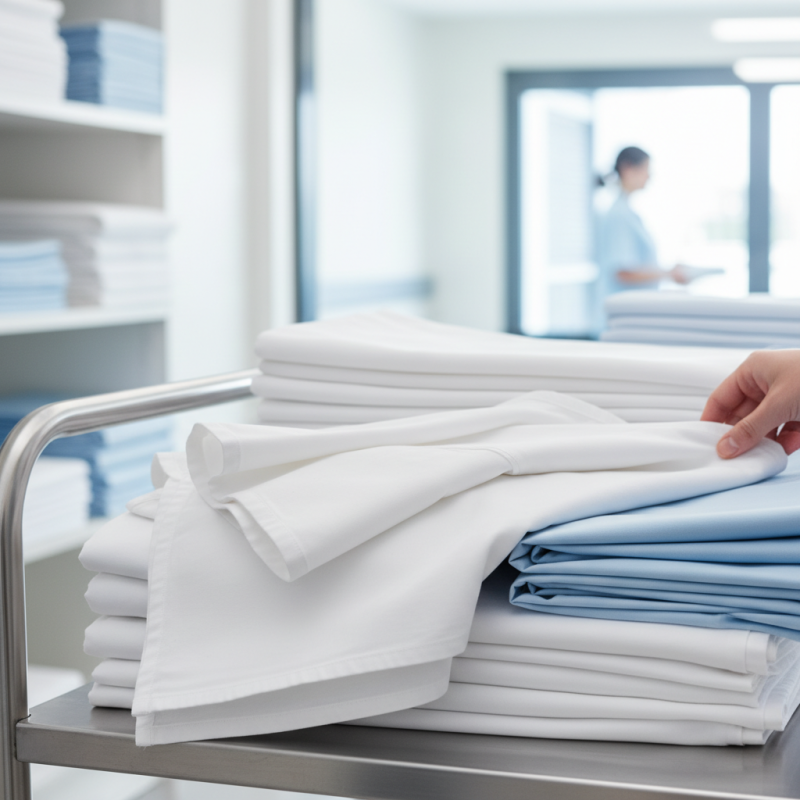
Medical linens play a vital role in healthcare settings. They contribute to patient comfort and infection control. Hospitals and clinics rely on high-quality linens to create a safe environment. Regularly changing and cleaning these items is essential. Poor linen quality can lead to patient dissatisfaction and increase the risk of healthcare-associated infections.
Choosing the right linens is not just a matter of comfort. It directly affects patient outcomes. Linens must be durable, easy to clean, and suitable for various medical needs. They should withstand frequent washing and harsh chemicals. However, many facilities overlook the importance of proper linen management. This can result in delays and mixed-up supplies.
Healthcare staff may sometimes face challenges in linen selection. Limited budgets can restrict options. Some facilities may prioritize cost over quality, which can compromise safety. It’s crucial to strike a balance between affordability and effectiveness. Regular evaluations of linen choices can help in making informed decisions. Consider feedback from staff and patients to continuously improve the linen selection process.
Identifying Different Types of Medical Linens and Their Uses
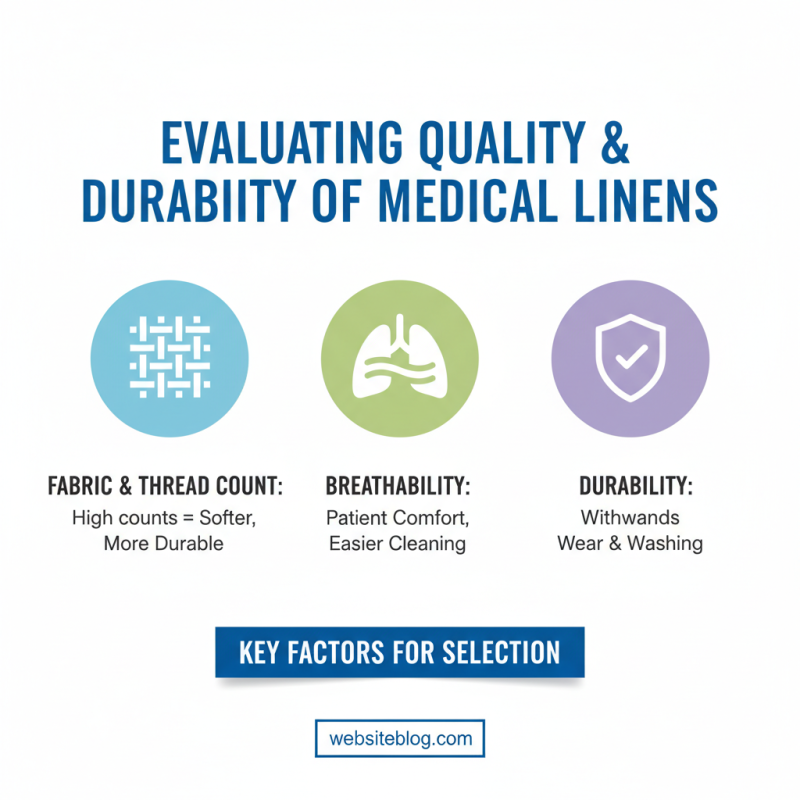
Choosing the right medical linens is essential for any healthcare facility. Different types of linens serve various purposes. For instance, bed sheets and pillowcases provide comfort for patients during their stay. They must be soft, durable, and easy to clean. Many facilities prefer linens made from cotton blends for their breathability and hypoallergenic properties.
In addition to sheets, towels and blankets are also critical. Towels need to absorb moisture and be resistant to frequent laundering. They should be lightweight yet warm. Blankets must offer adequate warmth while remaining breathable to prevent overheating. Some facilities may focus on colored linens for easier identification in laundry. This can help minimize mistakes and streamline care.
Medical scrubs play a vital role in infection control. They should be easy to wear and made from materials that can withstand repeated wash cycles. Ensuring that staff have the right linens can increase comfort and efficiency in the workplace. Still, facilities may sometimes overlook the importance of quality and maintenance. Regular inspections can help in identifying wear and tear, which is crucial for patient safety.
How to Choose the Right Medical Linens for Your Healthcare Facility?
| Type of Medical Linen |
Uses |
Material |
Maintenance Requirements |
| Bed Linens |
Used for patient beds, ensuring comfort and hygiene. |
Cotton, polyester blends |
Washable at high temperatures, require regular changing. |
| Surgical Drapes |
Used to cover areas during surgery, maintaining a sterile field. |
Non-woven fabric |
Single-use or can be autoclaved for reuse. |
| Patient Gowns |
Worn by patients during treatment for comfort and access. |
Cotton, polyester blends |
Can be washed and reused; need to fit varied sizes. |
| Towels and Washcloths |
Used for patient hygiene and cleaning. |
Cotton, terry cloth |
Require frequent washing; can be used multiple times. |
| Blankets |
Provide warmth and comfort to patients. |
Polyester, wool blends |
Washable, some may be dry clean only. |
Factors to Consider When Selecting Medical Linens for Facilities
Choosing the right medical linens is crucial for any healthcare facility. Consider factors like fabric type and durability. Cotton is soft but may wear out faster. Polyester blends offer longevity but can irritate sensitive skin. Look for linens that balance comfort and performance.
Next, evaluate the size and fit. Ill-fitting linens may lead to unprofessional appearances. They can hinder patient care and staff efficiency. Ensure that linens comply with infection control standards. This helps in maintaining hygiene and safety.
Don’t overlook color and design. Bright colors can uplift a room, but they may show wear quickly. Patterns can hide stains, but be mindful of changing trends. Regular assessments of linens are necessary to ensure they meet patient needs effectively.
Cost Considerations and Budgeting for Medical Linen Supplies
Choosing the right medical linens for a healthcare facility involves careful budgeting. According to a report from Healthcare Cost Utilization Project, hospitals can spend up to 7% of their total operating budget on linen supplies. This significant expense requires attention to detail and strategy.
Monitoring linen inventory effectively can reduce costs. A recent study found that implementing an inventory management system can cut linen costs by up to 15%. Regular audits can identify excess or underused linens. This measure allows facilities to allocate resources better.
Tips for saving on linen supplies include negotiating contracts with suppliers for bulk discounts. Track usage trends to adjust purchases accordingly. Consider using reusable linens as they can provide long-term savings and reduce waste. Balancing quality and cost is essential but challenging. Finding the right mix enhances patient care while managing expenses.
Cost Comparison of Different Medical Linen Supplies