How to Choose the Best Medical Supplies for Your Needs?
Choosing the right medical supplies can feel overwhelming. With so many options available, it’s important to consider what you truly need. Medical supplies range from bandages and syringes to mobility aids and diagnostic equipment. Understanding your specific requirements will help narrow down the choices.
Think about your lifestyle. Do you have chronic conditions or temporary injuries? Are you caring for someone with particular needs? Reflecting on these questions is vital. Sometimes, the best choice isn't the most expensive option. Affordable, quality supplies can be just as effective. Always conduct research and read reviews before making a decision.
It’s essential to know where to find reliable information. Consulting healthcare professionals can guide you. They can suggest the best medical supplies based on your situation. Remember, being informed is key, but it's okay to feel uncertain. Take your time to make the right choice.
Understanding Your Medical Needs and Requirements
When choosing medical supplies, understanding your specific needs is crucial. What conditions do you have? Are you managing chronic pain, diabetes, or rehabilitation after surgery? Each situation demands different supplies. Take time to assess your daily activities and how they relate to your medical condition.
Consider your living situation. Will you need supplies that are portable or easy to store? For instance, some people may require wheeled devices to enhance mobility. Others might need storage solutions for medications. Reflecting on these factors helps narrow down choices.
Consulting healthcare professionals can offer valuable insights. But, not all recommendations may fit your lifestyle. Trust your instincts as well. Sometimes, what works for others may not suit you. Trial and error is often part of the process, so don't be afraid to adapt as needed.
Identifying Quality Standards for Medical Supplies
When selecting medical supplies, quality standards are crucial. Look for supplies that comply with established regulations. These might include certifications from relevant health authorities. Reliable products often display clear labeling. This helps ensure they are safe for medical use.
Assessing quality also means checking materials used. For instance, some supplies are made from durable plastics, while others use more fragile components. A flimsy product might seem cheap but can lead to issues. Consider factors such as shelf life and storage conditions. These can impact the supply's effectiveness.
Don’t forget to read reviews and seek recommendations. Even well-known items can have variants that do not meet your needs. It's important to ask questions and be skeptical. Not every product performs as advertised. Taking the time to research can save you from poor choices in the long run.
Medical Supplies Quality Standards Comparison
Evaluating Different Types of Medical Supplies Available
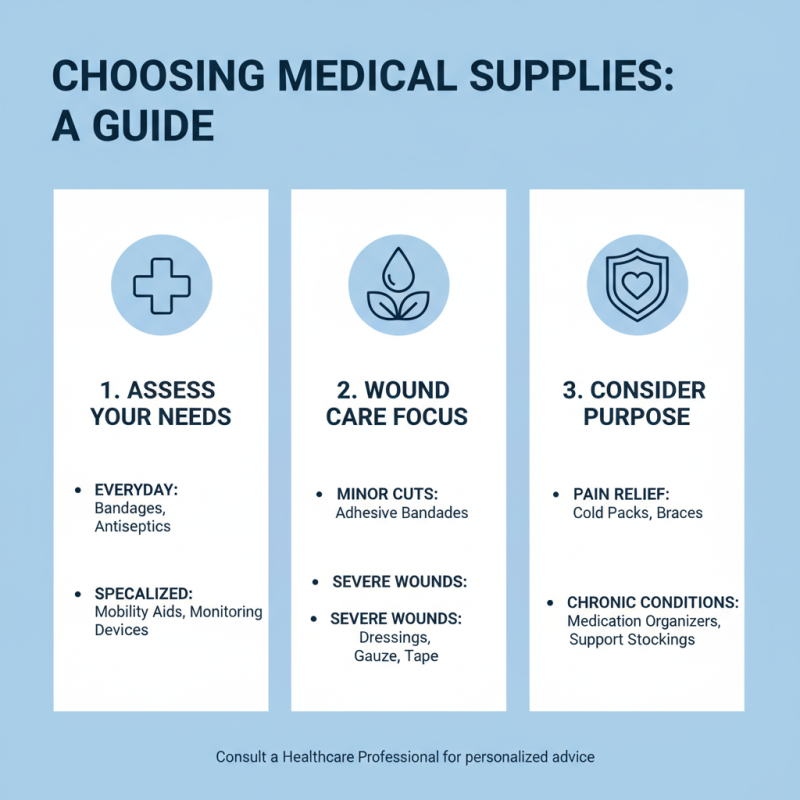
When evaluating different types of medical supplies, it's essential to consider your specific needs. Medical supplies range from everyday items like bandages to specialized devices. Each type serves a unique purpose. For example, choose wound care products based on the severity of the injury. A simple cut may need basic adhesive bandages, while more severe wounds require advanced dressings.
Think about your budget and the frequency of use. Some supplies, like monitoring devices, may only need occasional use. Others, such as gloves and syringes, might be everyday essentials. Don't rush into decisions. It's okay to seek advice. Sometimes, a product that seems ideal may not be the best choice. Research and compare options carefully.
It's important to evaluate the quality of supplies. Not all items provide the same level of effectiveness. Low-cost options may seem appealing but could lead to complications. Take the time to read reviews and gather feedback from others. Learning from mistakes is also part of the process. Not every choice will be perfect, but each experience brings valuable insight into what works best for you.
Comparing Costs and Budgeting for Medical Equipment
When budgeting for medical supplies, understanding costs is crucial. According to a report from IBISWorld, the medical equipment market in the U.S. is worth around $150 billion. This highlights the extensive spending required. Prices vary significantly, and many individuals find themselves overwhelmed. Researching different equipment types can help narrow down options.
It's essential to compare costs across various suppliers. A price comparison can reveal significant disparities. For example, basic mobility aids can range from $50 to over $300. Factors like features, brand reputation, and warranty can influence these prices. However, lower costs do not always equate to lower quality. Sometimes, spending a bit more yields longer-lasting equipment.
Additionally, consider the hidden costs. Maintenance, upgrades, and consumables can add up quickly. A 2021 study noted that 30% of users encounter unexpected expenses during the equipment lifespan. Budgeting should account for these possibilities. Assessing the total cost of ownership is often overlooked but can prevent financial strain later on.
How to Choose the Best Medical Supplies for Your Needs? - Comparing Costs and Budgeting for Medical Equipment
| Item |
Average Cost |
Essential Features |
Recommended For |
Budget-Friendly Options |
| Wheelchair |
$250 - $500 |
Lightweight, Foldable, Adjustable |
Disabled Individuals, Elderly |
Manual Wheelchair |
| Blood Pressure Monitor |
$30 - $150 |
Digital Display, Memory Storage, Cuff Size Options |
Home Monitoring, Elderly Care |
Manual Monitor |
| CPAP Machine |
$400 - $1200 |
Adjustable Pressure, Humidifier, Quiet Operation |
Sleep Apnea Patients |
Travel CPAP Machine |
| Oxygen Concentrator |
$600 - $2000 |
Portable, Adjustable Flow Settings |
Patients with Respiratory Issues |
Home Oxygen System |
| Thermometer |
$10 - $50 |
Digital, Non-Contact, Backlit Display |
Home Use, Pediatrics |
Infrared Forehead Thermometer |
Seeking Recommendations and Reviews for Healthcare Products
When selecting healthcare products, recommendations and reviews are invaluable. They guide you through choices that can be overwhelming. Reading other users' experiences can highlight potential issues not found in product descriptions. Look for detailed accounts and honest critiques. Sometimes, a glowing review may overlook serious drawbacks.
Connect with peers in healthcare forums. Personal insights often reveal practical usage tips. These conversations can clarify doubts. Not everything works for everyone, so consider diverse opinions. Sometimes, an item that is lauded may not fit your specific needs. Pay attention to comments on durability and effectiveness.
Don’t rush your decision. Take time to reflect on what you truly need. Check multiple sources and verify the credibility of reviews. A helpful product for one person may not be ideal for another. Find connections between different perspectives to make informed choices.