| Monitoring |
Digital thermometer |
Checking temperature when illness or infection is suspected |
1 |
High |
Review batteries and accuracy before use; replace when damaged or unreliable |
Missing, cracked, inaccurate, or low-battery warning |
Keep clean, dry, and separate from used care items; follow cleaning instructions |
| Monitoring |
Automatic blood-pressure monitor |
Routine blood-pressure checks when advised by a clinician |
1 |
High |
Inspect cuff and tubing monthly; validate readings against a clinic device when possible |
Cuff damage, inconsistent readings, or device error messages |
Select the correct cuff size; store without sharply folding the tubing |
| Wound Care |
Sterile gauze pads |
Covering and protecting minor wounds as directed |
20–30 pads |
High |
Use before the printed expiry date; discard opened or contaminated packaging |
Stock falls below 10 unused pads or packaging is damaged |
Store sealed in a clean, dry cabinet away from moisture |
| Wound Care |
Adhesive wound dressings |
Protecting small superficial cuts and abrasions |
20 assorted |
High |
Check expiry and adhesive condition every 6 months |
Fewer than 5 suitable sizes remain or adhesive has dried |
Do not use on deep, heavily bleeding, infected, or clinician-managed wounds |
| Hygiene |
Disposable nitrile gloves |
Reducing contact with blood, body fluids, or soiled dressings |
30–50 pairs |
High |
Check expiry and packaging every 6 months |
Box is damaged, gloves become brittle, or stock falls below 15 pairs |
Keep away from heat, sunlight, oils, and sharp objects; choose a suitable size |
| Hygiene |
Alcohol-based hand sanitizer |
Hand hygiene when soap and water are unavailable |
500–1,000 mL |
High |
Use before the labeled expiry date; close cap after each use |
Less than 250 mL remains or product has evaporated |
Keep away from flames and heat; do not substitute for handwashing when hands are visibly dirty |
| Mobility |
Non-slip shower or bath mat |
Reducing slip risk during bathing |
1 |
High |
Inspect suction cups, backing, and edges monthly |
Curling edges, loss of grip, mold, or surface damage |
Clean and dry regularly; confirm the mat fits the bathing area securely |
| Mobility |
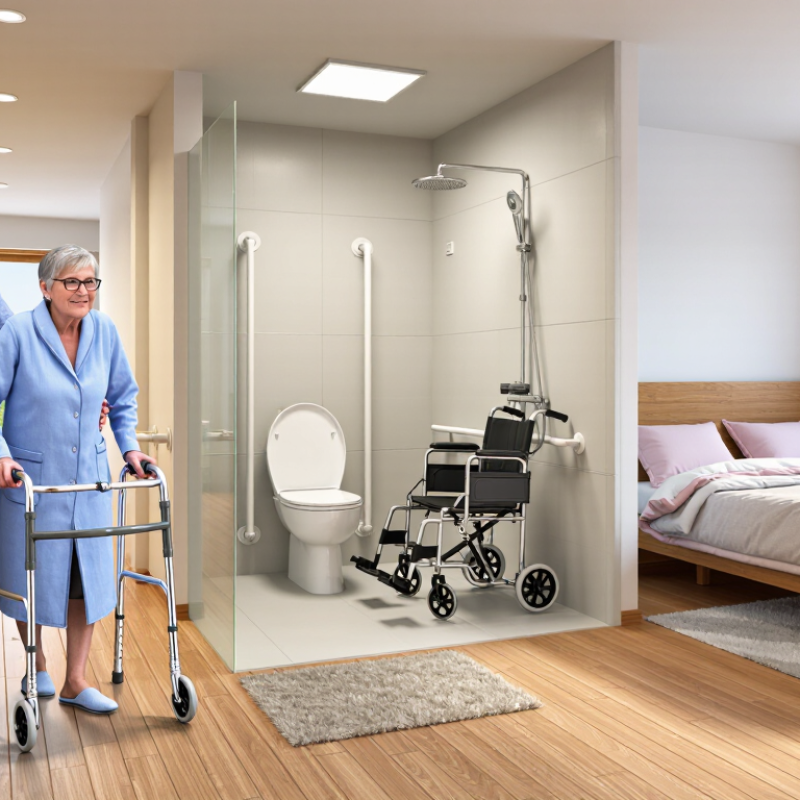
Walking aid, if prescribed |
Supporting safe movement during recovery |
1 |
High |
Check tips, locks, handles, and height adjustment before every use |
Worn rubber tip, loose fastener, bent frame, or poor fit |
Have a clinician or therapist confirm correct height and safe use |
| Comfort |
Reusable cold or heat pack |
Temporary comfort for muscle soreness when appropriate |
1–2 |
Medium |
Inspect before each use; replace if leaking, split, or unable to seal |
Surface damage, leakage, or loss of temperature control |
Use a cloth barrier and follow medical advice; avoid applying extreme temperatures directly to skin |
| Nutrition |
Shelf-stable drinking water |
Hydration when normal access to water may be interrupted |
6–12 L reserve |
Medium |
Rotate according to the printed date and household emergency plan |
Reserve falls below the planned level or containers are damaged |
Store in a cool, dark location away from chemicals and direct sunlight |
| Organization |
Labeled recovery-supply container |
Keeping supplies clean, visible, and easy to access |
1 |
Medium |
Review contents monthly and after each recovery period |
Broken lid, contamination, missing labels, or inaccessible placement |
Use separate sections for clean supplies, used items, and expired products |
| Documentation |
Recovery log and care instructions |
Recording symptoms, measurements, appointments, and replacement dates |
1 set |
Medium |
Update after each measurement or care activity |
Pages are full, information is outdated, or instructions are unclear |
Keep emergency contacts and clinician instructions with the log; protect personal information |