• Shopping Cart Shopping Cart
    0Shopping Cart
Medical Supply Solutions
  • SERVICES
  • PRODUCTS
    • Durable Medical Equipment
    • General Medical Supplies
    • Incontinence Supplies
  • ABOUT US
  • SALES REPS
  • CONTACT US
  • BLOG
  • Menu Menu
How to Efficiently Deliver Medical Supplies to Healthcare Facilities?

How to Efficiently Deliver Medical Supplies to Healthcare Facilities?

Efficiently delivering medical supplies is crucial for healthcare facilities. Reliable logistics affects patient care directly. Each delay can result in adverse outcomes. Timely access to medications and equipment is essential for effective treatment.

Healthcare providers face unique challenges. Geographic barriers and varying demand complicate logistics. Coordinating deliveries requires significant planning and expertise. The process should be streamlined yet adaptable. Providers must consider local needs while ensuring compliance.

Innovative solutions are emerging in the industry. Technology plays a vital role in tracking supplies. However, human oversight remains necessary. It is important to assess current strategies continually. Reflecting on past experiences helps to improve the future. Focusing on efficiency can lead to better patient outcomes. Ensuring that we can deliver medical supplies effectively is everyone's responsibility.

How to Efficiently Deliver Medical Supplies to Healthcare Facilities?
Table of Contents [Hide]
1 Best Practices for Assessing Healthcare Facilities' Supply Needs
2 Streamlining Inventory Management for Efficient Deliveries
3 Utilizing Technology for Real-Time Tracking of Medical Supply Shipments
4 Establishing Partnerships with Reliable Logistics Providers
5 Implementing a Sustainable Delivery Model for Medical Supplies

Best Practices for Assessing Healthcare Facilities' Supply Needs

Assessing the supply needs of healthcare facilities is crucial for efficient delivery. Start by conducting a thorough inventory assessment. Understand what supplies are essential and what is currently available. Communicating with the staff is key in identifying gaps in supply.

Tips for Supply Assessment: Engage with nursing staff regularly. They have firsthand knowledge of the supplies they need. Encourage open discussions about what items are frequently running low. Gather data from previous orders to identify trends.

It's also vital to consider the facility's specific context. Different facilities may have diverse patient needs. For instance, a pediatric unit will require different supplies than a trauma center. Be attentive to these variations.

Tips for Contextual Understanding: Organize inventory assessments every quarter. This helps in adapting to changing patient demographics. Document any supply shortages or delays. This record can guide future assessments. Adjust supply orders based on seasonal fluctuations in patient numbers.
Streamlining Inventory Management for Efficient Deliveries

Efficient inventory management is critical for delivering medical supplies to healthcare facilities. Accurate tracking of stock levels can prevent shortages and delays. Regular audits ensure that supplies are in good condition and properly stored. Utilizing software for real-time inventory updates serves as a practical solution. It allows staff to access data quickly, improving response times during emergencies.

Training staff in effective inventory practices is essential. Employees often overlook the importance of proper stocking methods. This negligence can lead to wasted supplies. Implementing a structured system can reduce human error. It may involve setting guidelines for organizing and labeling items clearly. Regular feedback from staff can highlight areas needing improvement.

Collaboration with suppliers is another key element. Establishing good relationships fosters better communication. Suppliers appreciate knowing the preferences and needs of their clients. They can often provide helpful insights into inventory trends. Observing patterns in supply usage is beneficial too. It helps forecast future needs, avoiding last-minute rush orders.

Medical Supplies Delivery Efficiency

This chart illustrates the average delivery times for medical supplies to various healthcare facilities based on different inventory management practices. Efficient inventory management can drastically reduce delivery times, improving overall healthcare services.

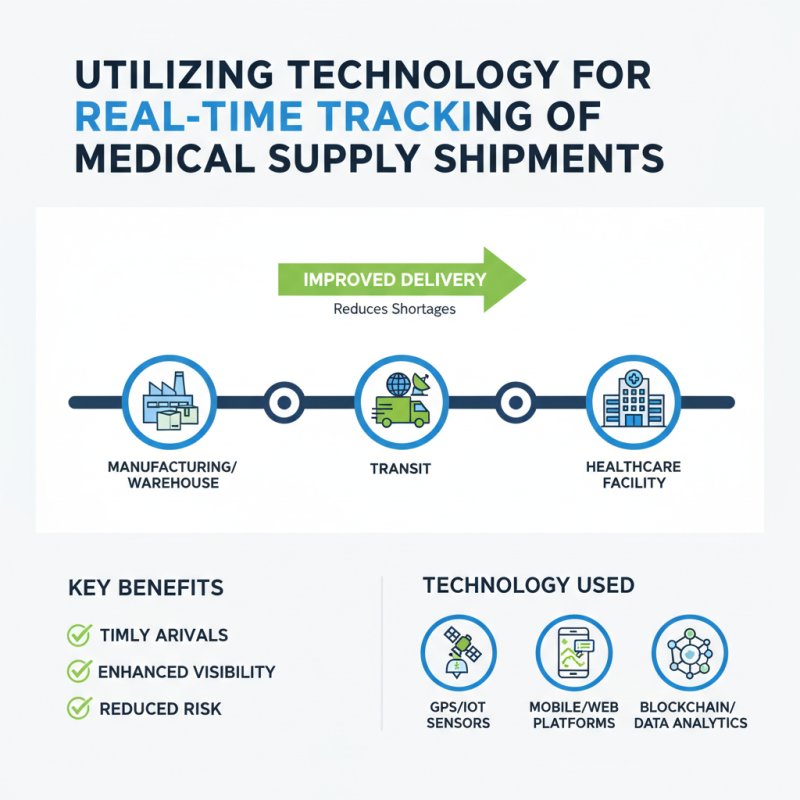
Utilizing Technology for Real-Time Tracking of Medical Supply Shipments

How to Efficiently Deliver Medical Supplies to Healthcare Facilities?

Real-time tracking significantly improves the delivery of medical supplies to healthcare facilities. With advanced technology, medical supply chains can monitor shipments at every stage. This visibility helps ensure timely arrivals, reducing the risk of shortages during critical moments.

Healthcare providers benefit from knowing the exact location of their shipments. They can prepare for incoming supplies and allocate resources accordingly. Instant updates via mobile apps or dashboards allow for quick decision-making. However, occasional technical glitches may disrupt tracking systems, highlighting the need for robust backup plans.

Moreover, integrating tracking systems with existing infrastructure can be challenging. Training personnel to utilize these technologies effectively is essential. Some facilities may still rely on outdated methods. Embracing real-time tracking is not just about technology; it requires a cultural shift towards efficiency and accountability in logistics.

Establishing Partnerships with Reliable Logistics Providers

Establishing partnerships with reliable logistics providers is crucial in the efficient delivery of medical supplies. Studies show that 68% of healthcare facilities report delays in receiving supplies, profoundly impacting patient care. These delays often stem from inadequate transportation networks and poor communication. Collaborating with experienced logistics partners ensures that healthcare facilities receive timely deliveries.

Reliable logistics providers bring expertise in regulatory compliance and inventory management. A report from the Healthcare Supply Chain Association highlights that organizations with strong logistics partnerships reduce supply chain costs by up to 15%. Moreover, effective communication between providers and healthcare facilities improves response times during emergencies. Such partnerships enable swift delivery of critical supplies, ultimately saving lives.

Yet, not all partnerships yield positive results. Some organizations may overlook the importance of regular evaluations. A lack of transparency can hinder efficiency. Healthcare facilities should assess logistic partners regularly to ensure they meet evolving needs. This practice fosters accountability and continuous improvement. It allows for adjustments in strategies based on performance metrics and real-time feedback, thus enhancing overall supply chain reliability.

How to Efficiently Deliver Medical Supplies to Healthcare Facilities?

Logistics Provider Delivery Time (Hours) Cost per Delivery ($) Areas Served Partnership Reliability Rating (1-5)
Provider A 4 150 Urban Areas 5
Provider B 6 120 Suburban Areas 4
Provider C 5 180 Rural Areas 3
Provider D 3 100 Urban and Suburban Areas 4
Provider E 8 200 Statewide 4

Implementing a Sustainable Delivery Model for Medical Supplies

Implementing a sustainable delivery model for medical supplies is crucial for healthcare efficiency. One approach involves optimizing routes for delivery. Using data analytics can help identify the fastest and most fuel-efficient paths. By doing this, hospitals can receive their supplies on time, reducing waste and ensuring patient care is not compromised.

Partnerships with local transport services can enhance delivery effectiveness. Collaborating with these entities allows faster response times. However, reliance on third parties can be risky. It may lead to inconsistent delivery standards. Regular assessments and feedback loops are essential to address these challenges and improve collaboration.

Maintaining an eco-friendly strategy is also vital. Utilizing bicycles, electric vehicles, or hybrid options can minimize carbon footprints. Yet, the upfront investment for sustainable vehicles may be high. Balancing cost with environmental responsibility requires careful evaluation. Adopting a proactive mindset encourages innovative solutions and reflects a commitment to sustainability.

Related Posts

  • 10 Essential Tips for Choosing Medical Equipment and Supplies?

    10 Essential Tips for Choosing Medical Equipment and Supplies?

  • How to Choose the Best Medical Supplies for Your Needs?

    How to Choose the Best Medical Supplies for Your Needs?

  • Top 10 Essential Medical Supplies Every Healthcare Provider Needs

    Top 10 Essential Medical Supplies Every Healthcare Provider Needs

  • Top Disposable Medical Equipment Types You Should Know?

    Top Disposable Medical Equipment Types You Should Know?

  • Top DME Medical Supply Options for Patients and Caregivers?

    Top DME Medical Supply Options for Patients and Caregivers?

  • How to Find the Best Solutions for Medical Supplies?

    How to Find the Best Solutions for Medical Supplies?

Blog Tags:

  • medical supply chain management
  • wholesale medical supplies
  • global medical distribution
  • medical logistics solutions
  • bulk medical equipment procurement
  • hospital supply purchasing
© 2026 Medical Supply Solutions :: Website by Integritive Web Design :: Asheville, NC
Scroll to top Scroll to top Scroll to top