
How to Find the Best Solutions for Medical Supplies?
Finding the best solutions for medical supplies can be challenging. Many options exist, each with its pros and cons. Knowing what you need is essential before making a decision.
Quality is a crucial factor in selecting solutions for medical supplies. You want items that are reliable and meet safety standards. Poor quality can lead to serious issues in patient care. It's important to research suppliers thoroughly.
Another point to consider is cost. While you may want the best items, budget constraints are real. Balancing quality with affordability can be tricky. Often, the most expensive option isn’t the best choice. Reflecting on your specific needs can guide you through this process.
Identifying Your Medical Supply Needs for Optimal Solutions
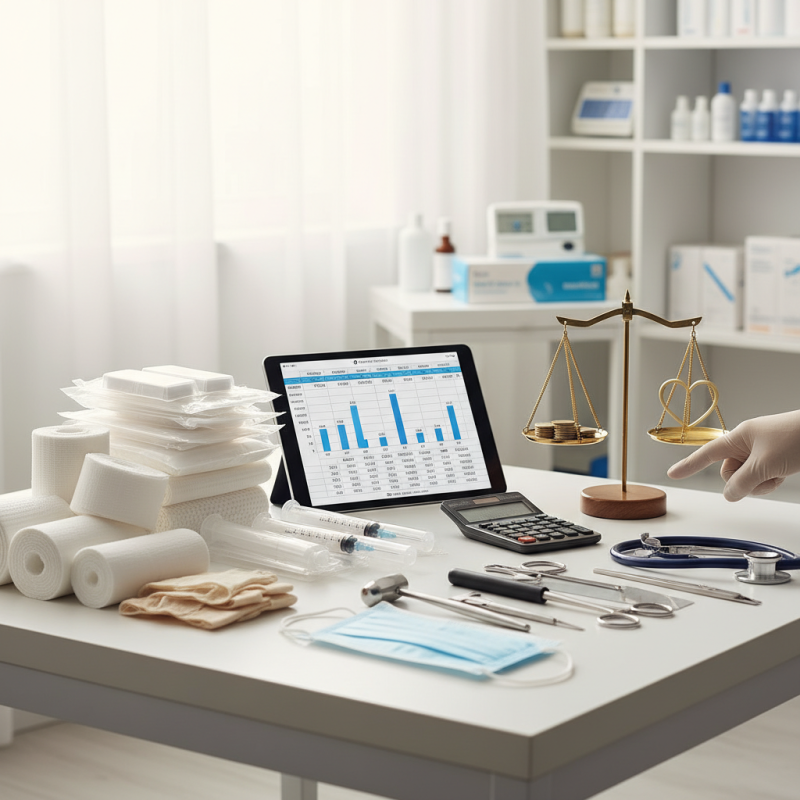
Identifying your medical supply needs is crucial for finding the best solutions. Start by assessing the scope of your medical practice or home care needs. The healthcare sector significantly impacts purchasing decisions. According to a recent industry report, medical supply expenditures in hospitals have risen by 5% annually. This trend underscores the importance of carefully evaluating what supplies are essential.
Consider conducting a thorough inventory assessment. Identify what supplies you currently use and what gaps exist. Look for items that may be underutilized. Often, items are stocked in excess, leading to wasted resources. Findings suggest that nearly 30% of medical supplies are not needed, indicating a need for better planning.
**Tip:** Create a checklist of supplies based on patient care requirements.
Soliciting feedback from staff can highlight overlooked needs. Engaging frontline workers can ensure that the supplies match practical demands. This collaborative approach can lead to more precise purchasing.
**Tip:** Regularly update your inventory based on usage trends.
Understanding your unique needs is the foundation for effective sourcing. Tracking patterns can help predict future supply demands. Supplies are not just numbers; they are essential components for patient care. Avoid last-minute purchases that may compromise quality.
Researching Reliable Suppliers and Manufacturers in the Medical Field
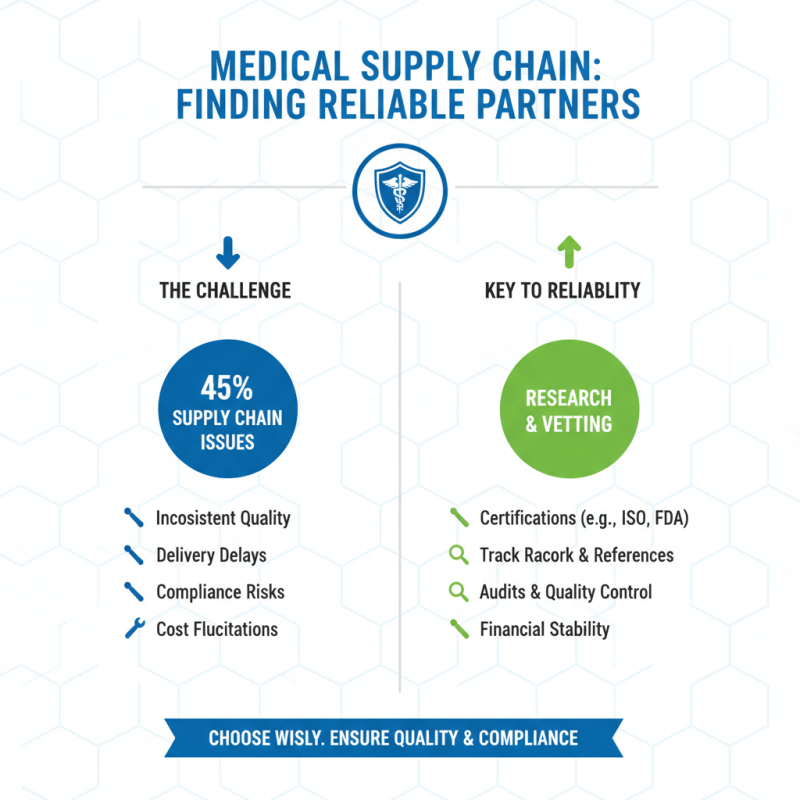
Finding reliable suppliers and manufacturers in the medical field can be challenging. Research is essential. According to a recent industry report, nearly 45% of healthcare facilities experience issues with supply chain reliability. Choosing the right partner is crucial for maintaining quality and compliance.
Consider looking for suppliers with certifications. ISO 13485 is a standard for medical device quality management. Suppliers with this certification demonstrate a commitment to quality. Examine reviews and case studies from other healthcare facilities to gauge their experiences. Testing products before full orders helps ensure their effectiveness.
Supply chain disruptions are common. Approximately 30% of healthcare organizations have reported that product shortages affected patient care. This statistic highlights the need for diversity in supplier options. Relying on a single supplier can lead to bottlenecks. Establishing relationships with multiple manufacturers can mitigate this risk. Always be skeptical of deals that seem too good to be true; they often are.
Evaluating Quality and Compliance Standards for Medical Supplies
Choosing the right medical supplies requires careful evaluation of quality and compliance standards. Not all suppliers follow the same regulations. It's crucial to check if the products meet local health authority standards. Many suppliers claim to adhere to guidelines, but not every product is tested adequately.
When assessing quality, look for certifications. These documents indicate that a product has undergone rigorous testing. However, not all certifications are equal. Some may be outdated or not recognized by certain health organizations. Be diligent in verifying these details.
Engage with suppliers and ask questions. Their responses can reveal much about their commitment to safety. Don't hesitate to request transparency regarding their compliance processes. This engagement can sometimes lead to discovering hidden issues. Trust your instincts; if something feels off, it might be worth a second look. Finding reliable solutions takes time and effort, but the safety of patients is paramount.
How to Find the Best Solutions for Medical Supplies? - Evaluating Quality and Compliance Standards for Medical Supplies
| Category | Quality Standards | Compliance Certifications | Typical Use Cases | Supplier Evaluation Criteria |
|---|---|---|---|---|
| Surgical Supplies | ISO 13485, ASTM Standards | FDA Approval, CE Marking | Operations in Hospitals, Clinics | Product Quality, Timeliness of Delivery |
| Diagnostic Equipment | ISO 9001, IEC 61010 | FDA Approval, ISO 13485 | Clinical Laboratories, Imaging Centers | Technical Support, Warranty |
| Personal Protective Equipment | EN 149, ANSI Standards | N95 Certification, CE Marking | Healthcare Workers, Emergency Response | Comfort, Breathability, and Fit |
| Consumables | ISO 13485, GMP | FDA Compliance, Health Canada Approval | Various Patient Care Settings | Cost Effectiveness, Availability |
Comparing Costs and Value for Medical Supply Procurement
When comparing costs and value in medical supply procurement, it’s essential to consider several key factors. Over 30% of healthcare organizations report that high costs are a significant barrier to acquiring necessary supplies. This clear disconnect emphasizes the need for strategic planning and efficient sourcing. Evaluating suppliers based on cost alone might lead to oversights in quality. For instance, a cheaper option may result in higher purchasing frequency due to lower durability, which can inflate long-term expenses.
Data from recent industry reports indicates that organizations prioritizing value over cost can save an average of 15% on overall supply budgets. Value assessments should include factors like supply consistency, reliability, and support services. Additionally, around 40% of procurement professionals admit that they struggle with unit pricing versus bulk pricing. This can lead to missed opportunities for long-term cost saving.
Always remember that the cheapest option isn't necessarily the best choice. Engaging in a detailed analysis of each supplier’s offerings can uncover hidden costs and benefits. The healthcare sector needs to shift its focus from merely finding the lowest price to understanding the overall value of medical supplies. Consideration of quality, supplier relationships, and total cost of ownership can lead to smarter procurement decisions in the long run.
Utilizing Technology and Online Platforms for Medical Supply Search
Finding the right medical supplies can be challenging. With technology at our fingertips, online platforms offer a vast array of solutions. Users can compare prices, read reviews, and access detailed product information in seconds. This convenience can save time and improve choices. However, not all information online is reliable, so careful evaluation is crucial.
Many platforms use algorithms to suggest products based on previous purchases. While this feature can be helpful, it may not always lead to the best options. Users might miss out on better, more suitable products by following these recommendations blindly. Taking the time to explore multiple sources can reveal hidden gems that cater to specific needs.
It's also essential to connect with communities online. Forums and social media groups can provide real-life insights into products. Users often share experiences and tips, which adds valuable context to the search. Nevertheless, sifting through opinions can be overwhelming and sometimes contradictory. Balancing expert advice with community feedback requires discernment.
Related Posts
-
10 Essential Tips for Choosing Medical Equipment and Supplies?
-

How to Choose the Best Medical Supplies for Your Needs?
-

Top 10 Essential Medical Supplies Every Healthcare Provider Needs
-

Top Disposable Medical Equipment Types You Should Know?
-

Top 5 DME Medical Equipment for Home Health Care Needs?
-
Top DME Medical Supply Options for Patients and Caregivers?