Why Is Sleep Monitoring Technology Essential for Better Health?
Sleep is essential for good health. Yet, many struggle to achieve restful nights. According to Dr. Matthew Walker, a renowned sleep expert, “Sleep is the single most effective thing we can do to reset our brain and body.” His insights underscore the importance of understanding our sleep patterns.
Sleep Monitoring Technology plays a crucial role in improving our sleep quality. With devices that track sleep stages, duration, and disturbances, users gain valuable insights. This information helps individuals identify patterns and make informed changes. For instance, a simple adjustment in bedtime can improve sleep quality.
However, reliance on technology can be tricky. While it provides data, it may also create anxiety about sleep. Users might obsess over numbers rather than relax. Recognizing this challenge is important for maximizing the benefits of Sleep Monitoring Technology. Balancing data with personal intuition will lead to healthier sleep habits.
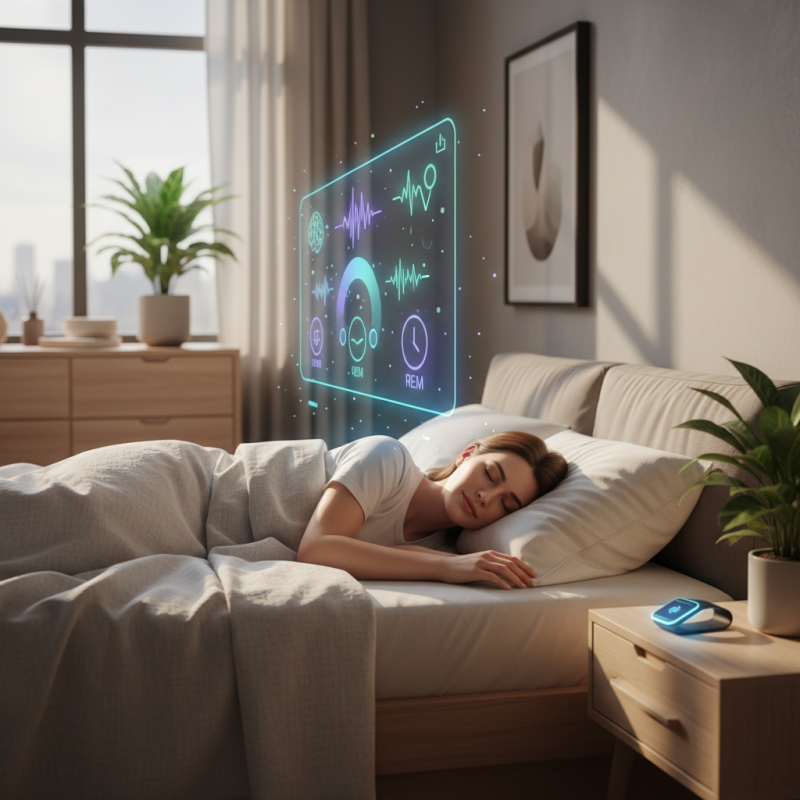
The Importance of Sleep in Overall Health and Well-Being
Sleep plays a vital role in our overall health and well-being. It affects both our physical and mental states. Quality sleep boosts immunity, supports heart health, and enhances brain function. Sleep deprivation, on the other hand, can lead to numerous health issues, including obesity and depression. It is alarming to know that many people overlook the importance of sleep.
Monitoring sleep patterns can provide valuable insights into our health. With sleep tracking technology, individuals can identify disturbances in their sleep cycles. This can lead to better sleep hygiene and improved nightly routines. Simple changes, like adjusting bedtime or reducing screen time, can make a significant difference. However, relying solely on technology can lead to anxiety about sleep quality.
Reflecting on our sleep habits is crucial. Many people might not realize how much rest they truly need. Establishing a sleep plan based on personal needs can enhance overall well-being. It’s a journey of understanding what works for you. With awareness comes the power to transform your health through sleep.
Understanding Sleep Monitoring Technology and Its Functionality
Sleep monitoring technology plays a crucial role in improving health. Understanding its functionality can help individuals make better choices. These devices track various sleep stages, from deep slumber to light rest. By analyzing patterns, they provide insights into sleep quality.
Tip: Keep a sleep diary alongside your device. Jot down your feelings and energy levels. This can help identify trends over time.
Many devices use sensors to detect movement and heart rate. They may also analyze environmental factors like room temperature and light exposure. This data can guide users toward optimal sleep conditions. However, it’s important to interpret the information wisely. Sometimes, the technology may misinterpret your movements or sleep cycles.
Tip: Set realistic goals for improving sleep. Adjust one habit at a time, whether it's bedtime or reducing screen time. Small changes lead to lasting improvements.
Though helpful, sleep devices are not perfect. They might create anxiety about achieving perfect sleep. It’s essential to balance technology with self-awareness of your body's needs. Being mindful will lead to better sleep hygiene overall.
Key Benefits of Sleep Monitoring for Health Improvement
Sleep monitoring technology plays a crucial role in enhancing overall health. Studies have shown that nearly 30% of adults experience sleep deprivation. This lack of quality sleep can lead to severe health issues, including obesity, diabetes, and cardiovascular problems. By using sleep monitors, individuals can track their sleep patterns and identify disturbances. Data indicates that better sleep quality is linked to improved cognitive function and emotional well-being.
Implementing sleep monitoring contributes to personalized health strategies. For instance, a report from the National Sleep Foundation suggests that understanding sleep stages can help optimize rest. It highlights that deep sleep is essential for physical recovery, while REM sleep is vital for memory. Monitoring these stages empowers users to make informed lifestyle changes. Sleep hygiene practices, such as maintaining a consistent sleep schedule, can also be enhanced.
Tips: Keep a sleep diary to note patterns. Regularly adjust your sleep environment to ensure it promotes relaxation. Avoid screens before bedtime, as they can disrupt your natural sleep cycle. Engaging in calming activities, such as reading, can also foster better sleep. These steps may seem small but can lead to significant improvements in health.
How Sleep Monitoring Affects Sleep Quality and Patterns
Sleep is a crucial part of our daily lives. The quality of our sleep impacts our overall health. Sleep monitoring technology can provide insights into our sleep patterns and quality. It tracks when we fall asleep, how many times we wake up, and the different stages of sleep. This data can reveal hidden issues, such as sleep apnea or restless leg syndrome.
Understanding these patterns allows individuals to make informed changes. It can be as simple as adjusting bedtime or creating a calming pre-sleep routine. Sometimes, the data highlights the need for a professional evaluation. For those struggling with consistent sleep, more drastic changes may be needed.
However, reliance on technology can breed uncertainty. Not every fluctuation in sleep patterns indicates a problem. This can lead to unnecessary anxiety about sleep. We should remember that sleep varies naturally. Listening to one's body is equally important in maintaining a healthy sleep routine.
Future Trends in Sleep Technology and Their Health Implications
The evolution of sleep monitoring technology is reshaping our understanding of health. Recent studies highlight that about 70 million Americans experience sleep disorders, emphasizing the need for effective monitoring tools. These technologies provide insights about sleep patterns, duration, and quality, essential for fostering better health outcomes. The National Sleep Foundation suggests that poor sleep correlates with increased risks of chronic ailments, including obesity and heart disease.
Future trends in sleep technology will likely focus on artificial intelligence and machine learning. These innovations can analyze individual sleep data and offer personalized recommendations. For instance, wearable devices may one day optimize sleep environments in real-time, adjusting room temperature or light levels based on user needs. Reports predict that the global sleep tech market will reach $112 billion by 2024, indicating substantial growth potential and a wider accessibility of sleep solutions.
**Tips**: Consider tracking your own sleep patterns with available tools. A sleep diary can provide insights into habits. Prioritize a consistent sleep schedule to enhance your overall health. Reflect on your sleep quality regularly; small changes can lead to significant improvements.
Why Is Sleep Monitoring Technology Essential for Better Health? - Future Trends in Sleep Technology and Their Health Implications
| Sleep Technology Type | Functionality | Health Benefits | Future Trends |
| Wearable Sleep Trackers | Tracks sleep patterns and heart rate | Improved sleep quality | Integration with health apps |
| Sleep Apps | Monitors sleep cycles and offers sleep aids | Enhanced relaxation and better sleep habits | Incorporation of AI for personalized insights |
| Smart Mattresses | Adjusts firmness and temperature | Increased comfort leads to deeper sleep | Advanced sensor technology for sleep analysis |
| Sleep Apnea Devices | Monitors breathing and adjusts airflow | Treatment for sleep apnea improves health outcomes | Development of less intrusive devices |
| Circadian Rhythm Trackers | Monitors light exposure and activity levels | Better alignment of sleep-wake cycles | Personalized recommendations for light exposure |