How to Source Medical Supplies for Global Procurement?
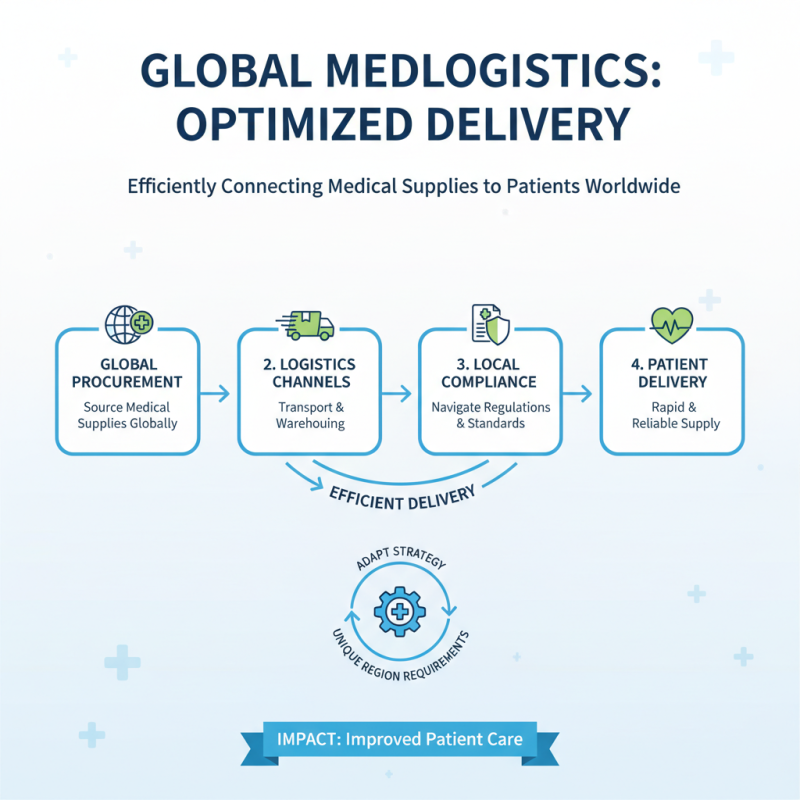
Sourcing medical supplies for global procurement is a complex yet crucial endeavor. The need for these supplies transcends borders, impacting healthcare systems worldwide. Medical supplies encompass essential items such as surgical instruments, PPE, and medications. Proper procurement strategies can significantly enhance the efficiency and effectiveness of healthcare delivery.
Navigating the diverse landscape of global suppliers presents challenges. Each country has unique regulations and standards for medical supplies. Understanding these variations is vital. Many buyers encounter issues with quality assurance and supplier reliability. The process can often feel overwhelming, and mistakes can be costly, affecting patient outcomes.
Building relationships with credible suppliers is essential. However, it requires in-depth research and persistent efforts. Relying solely on online directories might not suffice. Engaging with local partners can provide insights. Identifying trustworthy sources demands a commitment to ongoing education and adaptation in a rapidly evolving field. Every step in sourcing medical supplies should prioritize patient safety and compliance with standards.

Identifying Reliable Suppliers for Medical Supplies in Global Markets
When sourcing medical supplies globally, identifying reliable suppliers is crucial. Start by researching potential vendors through credible online platforms. Look for suppliers with certifications, a proven track record, and positive reviews from other healthcare professionals. Supplier ratings can offer insights into their reliability and product quality.
Attend industry trade shows for face-to-face interactions. These events allow you to engage with suppliers directly and assess their offerings. Building relationships is essential for trust. Ask about their sourcing practices and quality control measures. Reliable suppliers often have transparent processes and are open to questions.
Be cautious of low prices. They can indicate compromised quality or service. Request samples to evaluate the products before committing. Continuous evaluation of supplier performance is necessary to ensure they meet your standards. Regular audits can uncover issues early, allowing for timely adjustments. The goal is to establish a dependable supply chain that serves the needs of your patients effectively.
Evaluating Quality Standards and Certifications for Medical Products
When sourcing medical supplies globally, evaluating quality standards is crucial. Many products must meet specific certifications. These standards ensure safety and efficacy. Organizations often look for ISO certifications. These signify adherence to international quality management. However, obtaining these certifications can vary across countries.
It's essential to verify the documentation. Some suppliers may provide fake certifications. Trust but verify is a key principle. Engage with third-party auditors when possible. Understanding local regulations is equally important. Each region may have unique criteria that products must meet. Navigating this landscape can be complex and time-consuming.
Inconsistencies can arise during this process. A supplier might claim compliance but fail inspections. Regular audits and reconfirmation of standards can help. Building a reliable network of certified suppliers brings peace of mind. Innovative approaches to supply chain management can improve outcomes. Investing in quality assurance can mitigate risks associated with medical procurement.
Medical Supplies Quality Standards by Certification Type
Understanding International Regulations and Compliance for Procurement
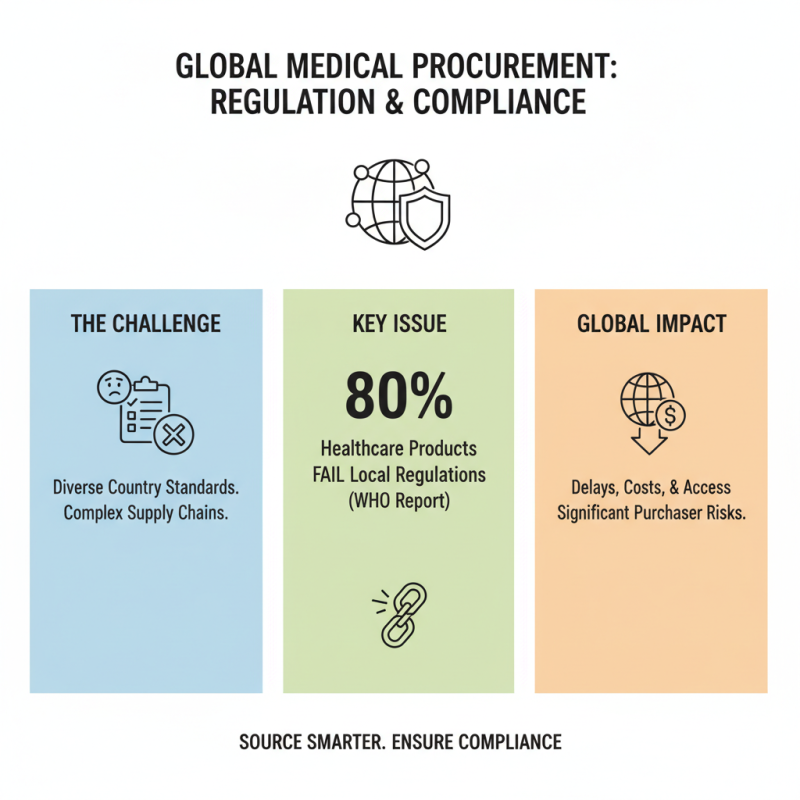
Understanding international regulations is crucial in medical supplies procurement. Diverse countries have unique compliance standards affecting the supply chain. For instance, a report by the World Health Organization indicates that approximately 80% of healthcare products fail to meet local regulatory requirements. This poses significant challenges for global purchasers.
Adapting to various regulations can be complex. Certifications and documentation must align with local laws. In Europe, the Medical Device Regulation (MDR) strictly mandates that all devices meet safety and performance standards before clearance. Non-compliance can lead to severe penalties. A lack of awareness of these mandates can disrupt procurement processes.
Additionally, customs and import laws vary greatly between countries. Misunderstandings can delay shipments, causing potential stock shortages. Suppliers must stay updated on changes in regulation. Regular training can help procurement teams better navigate these challenges, ensuring compliance and enhancing supply chain resilience.
Developing Effective Communication Strategies with Suppliers
Effective communication strategies with suppliers are crucial for sourcing medical supplies globally. Research shows that nearly 70% of procurement failures are linked to poor communication. Establishing clear channels with suppliers is essential for success. Regular updates and feedback loops can aid in reducing misunderstandings.
Building relationships with suppliers fosters trust. Open dialogue allows for the sharing of critical information regarding product availability and quality standards. A study from the International Journal of Procurement Management indicates that companies with collaborative supplier relationships experience a 20% improvement in on-time delivery rates. Engaging in joint planning sessions can also identify potential challenges early.
However, communication is not always effective. Misaligned expectations can lead to tension. Suppliers may not always understand your unique needs. Encouraging feedback from suppliers can uncover these gaps. Using simple, direct language helps mitigate confusion. It’s important to reflect on past experiences. Learning from errors can improve future interactions.
How to Source Medical Supplies for Global Procurement? - Developing Effective Communication Strategies with Suppliers
| Supplier Region |
Supply Type |
Communication Method |
Response Time (Hours) |
Satisfaction Rating (1-5) |
| North America |
Personal Protective Equipment |
Email |
24 |
4 |
| Europe |
Medical Devices |
Phone Call |
12 |
5 |
| Asia |
Surgical Instruments |
Video Conference |
8 |
4 |
| South America |
Diagnostic Equipment |
Instant Messaging |
16 |
3 |
| Africa |
Pharmaceuticals |
Email |
36 |
2 |