Top 5 DME Medical Equipment for Home Health Care Needs?
In today's healthcare landscape, many patients seek comfort at home. To aid this transition, dme medical equipment has become essential. These devices cater to various health needs, ensuring patients maintain their quality of life.
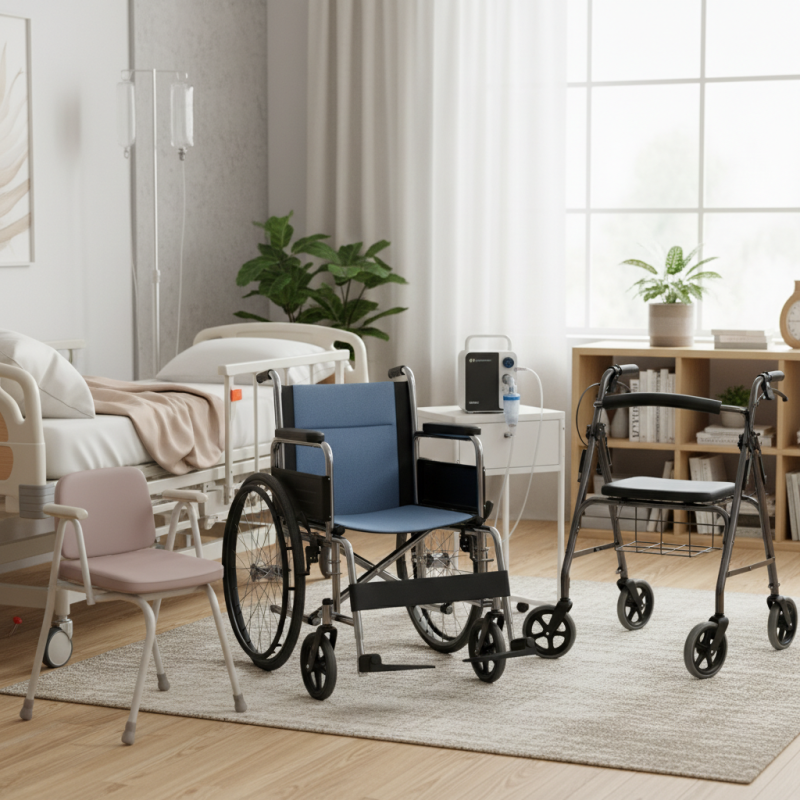
Home care is more than a trend; it's a necessity for many. DME medical equipment offers solutions for mobility, breathing, and daily activities. Examples include wheelchairs, oxygen equipment, and walkers. These tools not only support physical health but also enhance emotional well-being.
However, selecting the right equipment can be challenging. Every patient's needs differ, leading to confusion. It's vital to understand these requirements to choose effectively. Investing time in research can prevent future regrets. By exploring the top five DME medical equipment options, families can foster a nurturing home environment.
Understanding Durable Medical Equipment (DME) in Home Health Care
Durable Medical Equipment (DME) plays a vital role in home health care. It includes a range of devices that assist patients in managing their healthcare needs at home. Items like wheelchairs, hospital beds, and oxygen concentrators can significantly enhance comfort and mobility.
When selecting DME, consider the specific needs of the patient. Each individual’s condition is different. What works well for one person may not suit another. Consulting healthcare professionals can help in making the right choice.
Tips: Always check for compatibility with the home environment. Space and accessibility matter. Regular maintenance of DME is crucial, too. Keep everything clean and functional. Avoid overlooking minor issues; they can escalate into major problems later.
Patients often face challenges adjusting to new equipment at home. There might be moments of frustration and confusion. It's essential to allow time for adaptation. Support from family and caregivers can make a huge difference. Open lines of communication about feelings can facilitate this adjustment period.
Key Categories of DME for Home Health Care Needs
When it comes to home health care needs, durable medical equipment (DME) plays a crucial role. Mobility aids are a primary category. Wheelchairs, walkers, and canes help individuals regain independence. These devices vary in style and function. Some offer added support, while others focus on maneuverability. Choosing the right fit is vital, but it can be overwhelming.
Another important category is respiratory equipment. Items like nebulizers and oxygen concentrators are essential for patients with breathing issues. They improve quality of life significantly. However, some users struggle with the setup and maintenance of these devices. It’s not always as easy as it seems.
Lastly, there are monitoring devices. Blood pressure monitors and glucose meters empower patients to manage their health. They provide critical insights into one's condition. Yet, one might find it challenging to interpret the data without proper guidance. This gap often leads to confusion and missed opportunities for care improvement.
Top 5 DME Devices Essential for Patients at Home
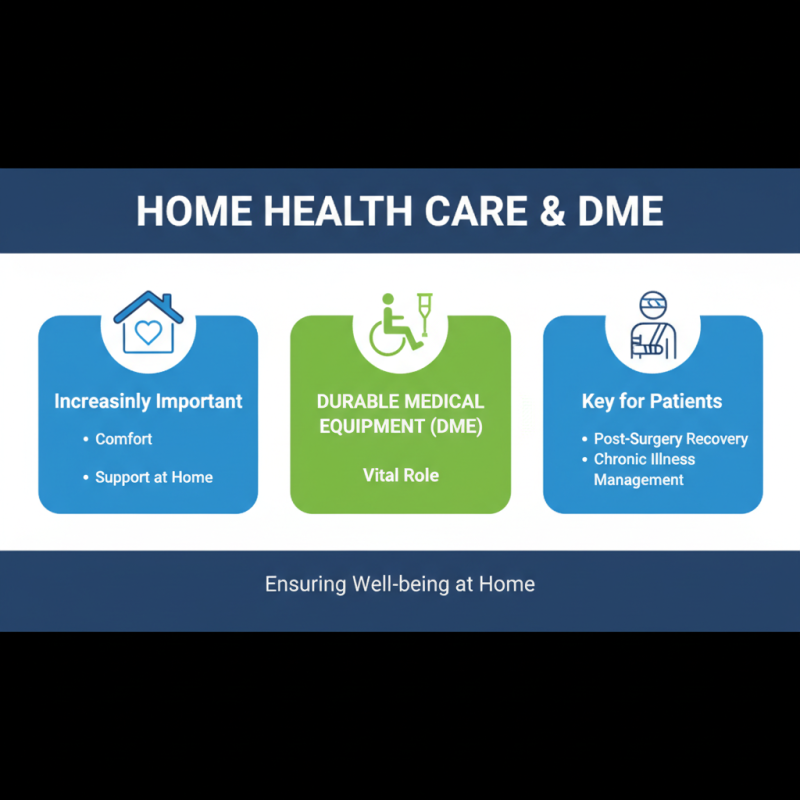
Home health care has become increasingly important for many individuals. Durable medical equipment (DME) plays a vital role in ensuring comfort and support at home. For patients recovering from surgery or managing chronic illnesses, having the right equipment can make a difference.
One essential device is the mobility aid. Walkers and canes help people maintain independence. They can improve confidence during daily activities. However, not everyone selects the right type. It requires careful consideration of one’s needs. Moreover, improper use can lead to falls or injuries.
Another critical device is home oxygen therapy equipment. It assists patients with respiratory issues. While it helps them breathe easier, users must monitor their oxygen levels regularly. This requires discipline and awareness. Patients should consult healthcare providers frequently. Lastly, bedside commodes can enhance dignity for those with mobility challenges. Yet, they may not fit well in every home. Users often face difficulties adapting to them. This highlights the importance of thoughtful planning when arranging for home medical needs.
Factors to Consider When Choosing DME for Home Use
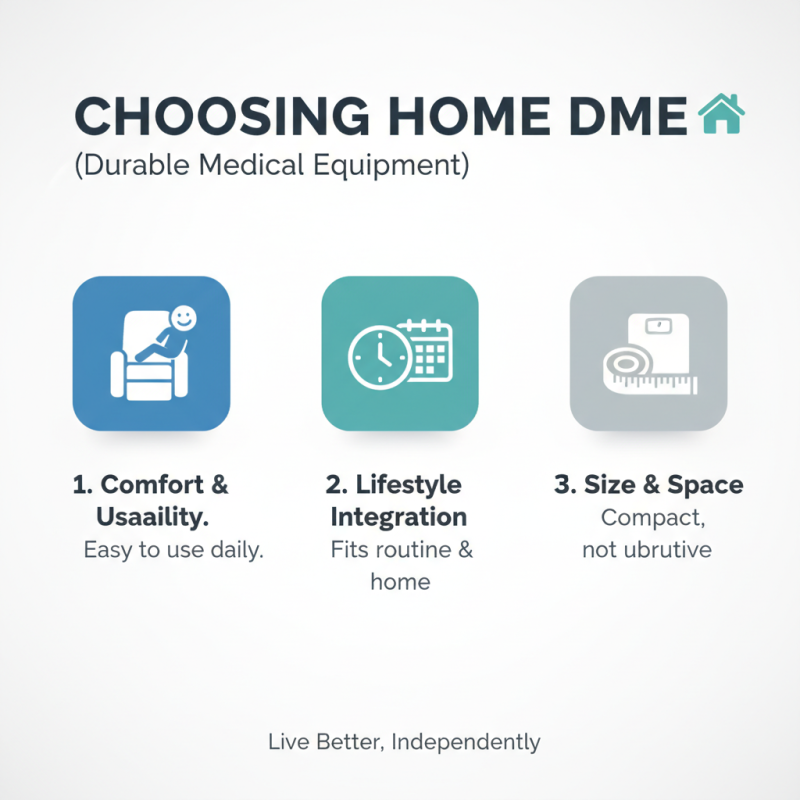
When selecting durable medical equipment (DME) for home use, several important factors come into play. Comfort and usability are paramount. Equipment should fit the user's daily routine. If a device is hard to use, it may collect dust rather than serve its purpose. The size of the equipment also matters. It should fit your living space without being obtrusive.
Another crucial aspect is the equipment's effectiveness in meeting health needs. Consider how it supports recovery or daily living activities. Researching features can help find the right match. Consulting with healthcare professionals is also beneficial. They can provide valuable insights tailored to individual conditions.
Finally, think about the cost and maintenance. Some equipment requires ongoing expenses, like batteries or replacements. Be realistic about what you can afford. Sometimes, cheaper options end up being more costly in the long run due to repairs. Reflecting on these factors leads to more informed decisions. Choosing the right DME can make a significant difference in home health care.
Benefits of Using DME in Home Health Care Settings
Home health care is evolving, making durable medical equipment (DME) essential. DME improves the quality of life for many patients. According to the National Association for Home Care & Hospice, around 12 million individuals use home health care services in the U.S. DME plays a crucial role in this trend, offering convenience and independence for those needing ongoing medical care.
Using DME at home brings significant advantages. It helps patients manage their conditions effectively. For instance, a study by the American Health Care Association found that using DME reduces hospital readmissions by 35%. This statistic highlights the importance of DME for chronic illness management. Patients gain comfort and peace of mind while staying in familiar surroundings.
Real-life implementation of DME has challenges. For some, the initial costs can be daunting. There may be difficulties in navigating insurance claims for equipment. Equipment maintenance and proper training is often overlooked but are critical for efficacy. Therefore, while DME offers significant benefits, it may require ongoing support from healthcare providers to ensure optimal use in home health care settings.