Top Medical Equipment and Supplies for Global Buyers?
In today's global healthcare landscape, the demand for high-quality medical equipment and supplies is critical. Medical professionals, hospitals, and clinics rely on these tools to provide effective patient care. With rapid advancements in technology, buyers face countless options. Selecting the right medical equipment can be overwhelming, especially for international buyers navigating different regulatory environments.
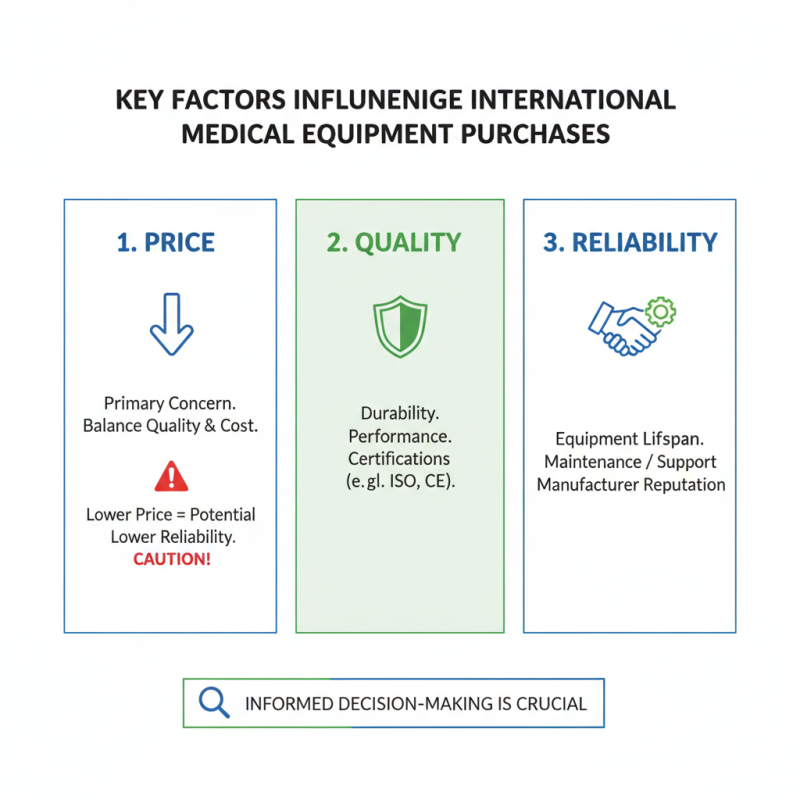
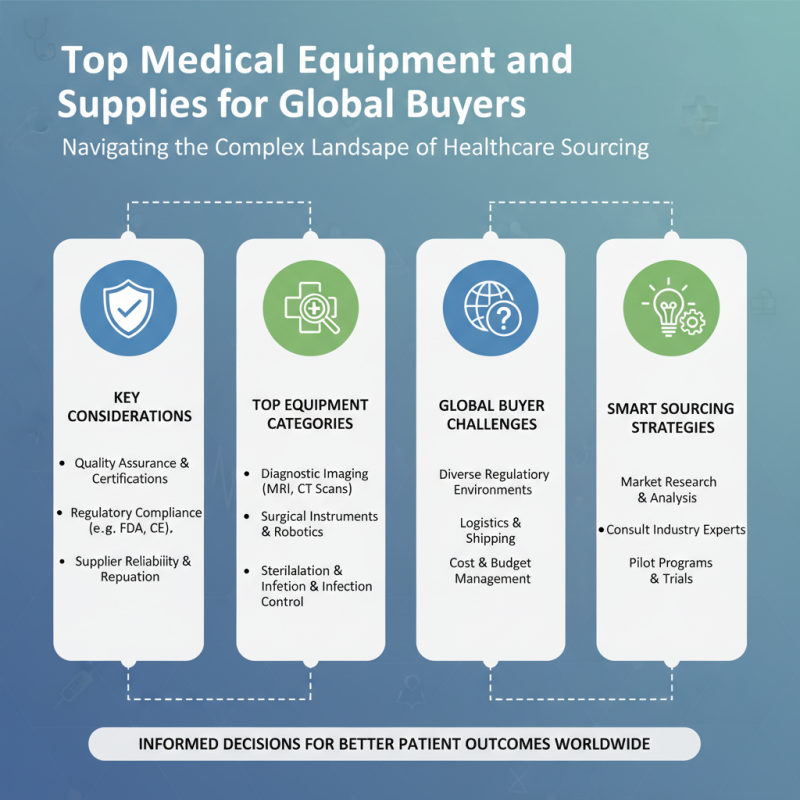
Each region has unique requirements that influence product selection. Quality assurance and certification are paramount. Medical equipment and supplies must meet stringent safety standards and regulations. Buyers must consider the reliability of suppliers. Trustworthy manufacturers are essential to ensure optimum performance and patient safety. The choice of equipment impacts not just efficiency but also patient outcomes.
Navigating this complex landscape requires expertise and awareness. Buyers should research well and consult industry experts. The stakes are high, and even minor oversights can lead to serious consequences. This highlights the need for informed decision-making based on reliable information and expertise. By embracing a thoughtful approach to sourcing medical equipment and supplies, buyers can significantly improve healthcare delivery worldwide.
Essential Categories of Medical Equipment and Supplies for Global Markets
The global demand for medical equipment and supplies is on the rise. According to a recent report from the World Health Organization (WHO), the global medical device market was valued at approximately $425 billion in 2022. This growth highlights the essential categories that global buyers must consider.
Among these categories, diagnostic equipment plays a crucial role. Devices such as MRI machines and ultrasound equipment are vital for accurate patient assessments. A recent market analysis indicated that diagnostic imaging equipment alone is projected to reach $186 billion by 2026, underscoring its significance in healthcare supply chains. Furthermore, personal protective equipment (PPE) remains critically important, especially in the context of global health crises. The pandemic revealed vulnerabilities in health systems, highlighting the urgency of maintaining adequate PPE stocks.
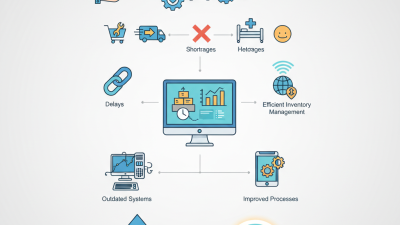
In contrast, there are areas requiring improvement. For example, the supply chain for essential medical consumables often experiences disruptions. This can lead to shortages that compromise patient care. Global buyers need to reflect on how to enhance logistical strategies for timely delivery. Overall, understanding these essential categories is vital for effective purchasing decisions in the evolving medical landscape.
Top Medical Equipment and Supplies for Global Buyers
This chart illustrates the essential categories of medical equipment and supplies that are in high demand across global markets. The data represents sales volume (in millions) for different categories of medical equipment.
Top Manufacturers and Brands in the Global Medical Supplies Industry
The global medical supplies market is experiencing significant growth. In 2021, it was valued at approximately $130 billion and is projected to reach $200 billion by 2029. This growth stems from increasing healthcare demands and technological advancements.
Top manufacturers lead the industry by producing essential equipment. Key sectors include diagnostic tools, surgical instruments, and patient care devices. These manufacturers maintain high standards of quality and safety. Their commitment to innovation is evident in the development of digital health devices. This shift is not without challenges. The need for real-time data integration can be overwhelming for some practitioners.
Tips: Always verify the source of your medical supplies. Check for compliance with international standards. Uncertainties linger regarding supply chain disruptions. Understanding this can help buyers make informed decisions. Consider alternative suppliers to avoid stock issues.
Emerging Trends and Innovations in Medical Equipment for International Buyers
The landscape of medical equipment is rapidly evolving. Innovations in telemedicine and wearable devices are reshaping healthcare delivery. According to a report from Market Research Future, the global telemedicine market is projected to reach $459.8 billion by 2025. This growth is driven by increased demand for remote patient monitoring and reduced healthcare costs.
New technologies in imaging equipment are transforming diagnostics. For example, advanced MRI machines now offer higher resolution images. A study by Frost & Sullivan indicates that the global MRI market will expand at a CAGR of 5.4%, reaching $6.2 billion by 2023. Yet, challenges remain. High costs and limited access to advanced imaging technologies can hinder deployment in under-resourced areas.
Sustainability is another trend gaining traction. Hospitals are seeking eco-friendly alternatives for medical supplies. Biodegradable products are becoming popular among global buyers. However, the integration of sustainable practices is still in its infancy. A balance between cost, safety, and environmental impact needs careful consideration.
Regulatory Considerations for Importing Medical Supplies Across Borders
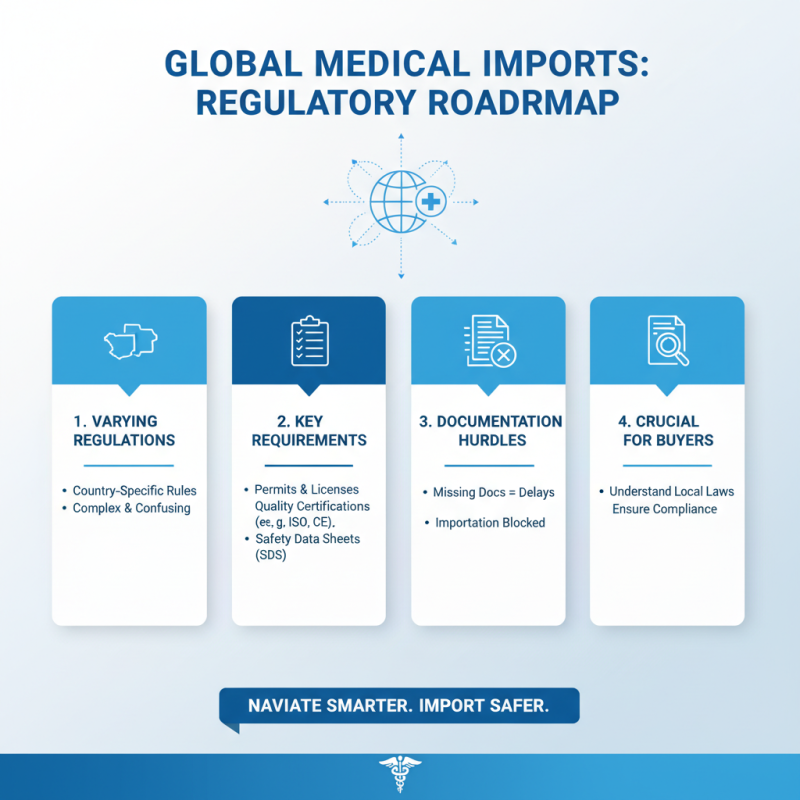
Navigating the regulatory landscape for importing medical supplies can be complex. Different countries have specific regulations, which can lead to confusion. Understanding these requirements is crucial for international buyers. Documentation is often the first hurdle. This may include permits, quality certifications, and safety data sheets. Missing one document can delay or even prevent import.
Another key consideration is compliance with local laws. Buyers must ensure that products meet safety and efficacy standards. This varies widely among countries. In some regions, stringent testing is mandatory. In others, the focus may be more on documentation than on actual product testing. Buyers should consult regulatory bodies or legal experts to avoid pitfalls.
Trade agreements can also influence regulations. Changes in tariffs or import quotas may affect costs and availability. Keeping abreast of these changes is vital. Monitoring these shifts can ensure smoother transactions. The landscape is ever-changing, and staying informed is essential. Overall, diligence and attention to detail make a significant difference in successful imports.