• Shopping Cart Shopping Cart
    0Shopping Cart
Medical Supply Solutions
  • SERVICES
  • PRODUCTS
    • Durable Medical Equipment
    • General Medical Supplies
    • Incontinence Supplies
  • ABOUT US
  • SALES REPS
  • CONTACT US
  • BLOG
  • Menu Menu
Why Are Paramedic Supplies Essential for Global Buyers?

Why Are Paramedic Supplies Essential for Global Buyers?

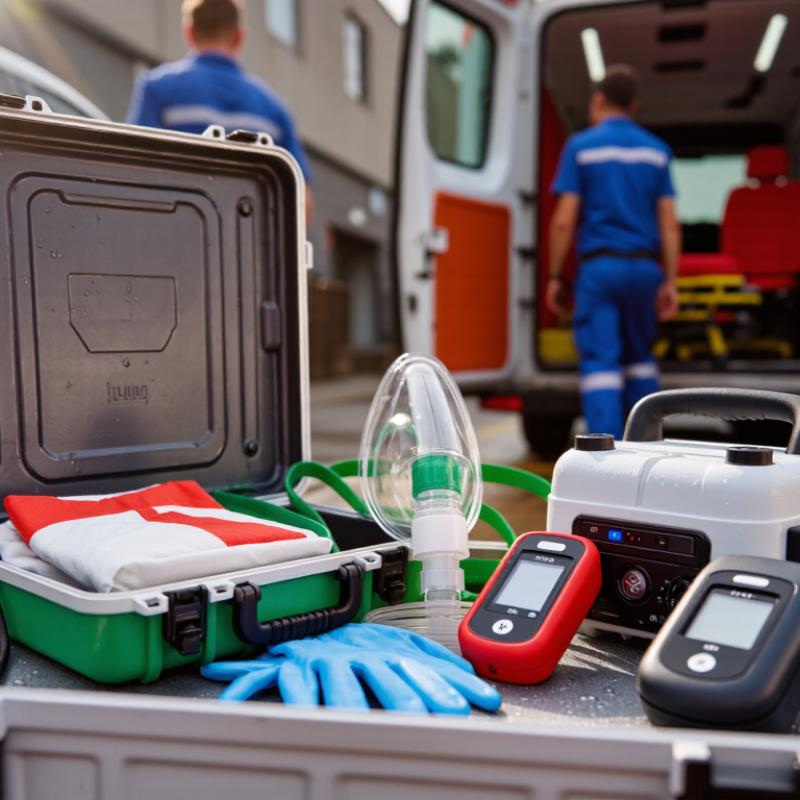
For global buyers, paramedic supplies are more than products packed into a response bag. They are practical tools for stabilizing patients during the first critical minutes. A trauma dressing, oxygen mask, pulse oximeter, or portable suction unit may face rain, dust, heat, and repeated transport. Reliability matters.

Dr. Bryan Bledsoe, an emergency physician and EMS educator, has emphasized, “Equipment supports care; it does not replace clinical judgment.” This principle deserves attention. Even excellent paramedic supplies cannot compensate for poor training, unclear instructions, or weak maintenance. Buyers must assess usability, durability, documentation, and after-sales support together. A device should work with gloved hands. Its battery should last through a long transfer. Its packaging should protect sterile components without creating unnecessary waste.

Global procurement also involves difficult choices. Low prices can look attractive, but hidden costs may appear through damaged stock, missing accessories, or delayed replacements. Not every supplier offers the same traceability or quality control. Buyers should request product specifications, inspection records, user training, and realistic delivery timelines. Regional climate and local clinical practice deserve equal consideration.

No kit is perfect. That is worth admitting. A strong purchasing decision leaves room for review, feedback, and correction after field use. Experienced buyers compare supplier claims with practical evidence from paramedics, hospitals, and emergency coordinators. This evidence-based approach helps organizations select paramedic supplies that remain dependable when distance, pressure, and limited resources challenge every part of emergency care.
Why Are Paramedic Supplies Essential for Global Buyers?
Table of Contents [Hide]
1 What Are Paramedic Supplies and What Roles Do They Serve?
2 Which Essential Supplies Do Paramedics Use in Emergency Care?
3 How Do Paramedic Supplies Support Rapid and Safe Treatment?
4 What Standards Guide the Global Sourcing of Paramedic Supplies?
5 How Can Global Buyers Select Reliable Paramedic Supply Partners?

What Are Paramedic Supplies and What Roles Do They Serve?

Paramedic supplies are the practical tools used to assess, stabilize, protect, and transport patients during emergencies. They include gloves, masks, trauma dressings, tourniquets, airway devices, oxygen equipment, diagnostic monitors, splints, stretchers, and approved emergency medicines. Each item supports a clear clinical task. A pulse oximeter shows oxygen saturation. A pressure dressing can slow severe bleeding before hospital care begins.

Their importance is visible in the data. The World Health Organization reported 1.19 million road deaths and 20–50 million nonfatal injuries worldwide in its Global Status Report on Road Safety 2023. These incidents demand fast, organized treatment outside hospitals. Supplies must therefore remain sterile, durable, easy to identify, and usable in darkness, rain, or crowded streets. PPE also reduces exposure to blood and respiratory hazards. Small details matter.

For global buyers, paramedic supplies also support consistency and accountability. Clear labels, batch records, expiry dates, and training instructions help crews work safely across different regions. Equipment should match local ambulance layouts, clinical protocols, and maintenance capacity. A sophisticated device is not useful if batteries are unavailable or staff cannot operate it confidently. A perfect checklist is a myth. Field experience still reveals gaps, especially during mass-casualty events. Buyers should review real incident feedback, not only product specifications. WHO emergency-care guidance and national EMS reports can help compare practical needs with procurement claims.

Why Are Paramedic Supplies Essential for Global Buyers?

Emergency-care relevance in low- and middle-income countries

What are paramedic supplies? They are prehospital medical tools and consumables used to assess, stabilize, treat, and transport patients before hospital admission.

What roles do they serve? Airway and breathing equipment supports oxygenation; bleeding-control products manage trauma; monitoring devices enable rapid assessment; immobilization and transport equipment help prevent further injury.

Why are they essential for global buyers? The chart shows that approximately 54% of deaths in low- and middle-income countries could potentially be addressed by timely, high-quality emergency care, highlighting the importance of reliable prehospital supplies.

Source: The Lancet Commission on Global Health Law, “The Lancet Commission on Global Health Law: The Health of People,” and related global emergency-care analyses. The 54% estimate refers to deaths potentially addressable through effective emergency care.

Which Essential Supplies Do Paramedics Use in Emergency Care?

Paramedics rely on carefully selected supplies to stabilize patients before hospital arrival. Their kits often include nitrile gloves, protective masks, eye shields, trauma shears, sterile dressings, and bandages. These items support infection control and rapid wound management. Bleeding control may require pressure dressings, hemostatic gauze, and approved tourniquets. Every item should match local protocols and documented clinical training.

Airway and breathing supplies are equally important. Bag-valve masks, oxygen delivery devices, suction equipment, and basic airway adjuncts can support patients with breathing difficulties. Splints, cervical support devices, blankets, and stretchers help protect injured people during movement. Monitoring tools, such as pulse oximeters, blood pressure cuffs, thermometers, and automated external defibrillators, provide useful information during changing conditions. Reliable batteries matter too.

Tips: Global buyers should check regulatory documentation, shelf life, packaging strength, and storage temperatures. Choose clear labels and sizes that fit local crews. Test equipment through realistic drills, not just visual inspections. A sealed package may still hide a missing component. No kit is perfect. Paramedics should record expired items, damaged seals, and supplies used during each call. Procurement teams also need backup stock for floods, heat, cold, and delayed deliveries. These details feel minor until an emergency exposes the gap.

Why Are Paramedic Supplies Essential for Global Buyers? - Which Essential Supplies Do Paramedics Use in Emergency Care?

Common emergency-care supplies used by paramedics and emergency medical teams. Availability, clinical protocols, and regulatory requirements may vary by country.
Supply Category Essential Supply Primary Emergency Use Important Product Features Typical Supply Form Global Purchasing Considerations
Airway Management Oropharyngeal and nasopharyngeal airways Help maintain an open airway in unconscious or semi-conscious patients when appropriate. Multiple sizes, smooth edges, clear size identification, single-use sterile options. Individual sterile packs or assorted-size sets. Size range, material safety, packaging integrity, and local airway-management protocols.
Airway Management Bag-valve-mask resuscitator Provides manual ventilation during respiratory failure or cardiac arrest. Self-inflating bag, oxygen reservoir, patient valve, transparent mask, and multiple mask sizes. Adult, child, and infant configurations; reusable or single-use models. Compatibility with oxygen tubing, cleaning requirements, valve performance, and applicable medical-device regulations.
Oxygen Therapy Oxygen masks and nasal cannulas Deliver supplemental oxygen to patients with breathing difficulties or low oxygen saturation. Soft tubing, secure connectors, adjustable nose clips or straps, and clear flow guidance. Single-use packs in adult, pediatric, and infant sizes. Connector standards, packaging cleanliness, latex status, and oxygen-system compatibility.
Monitoring Pulse oximeter Measures peripheral oxygen saturation and pulse rate for rapid patient assessment. Readable display, low-battery indicator, durable housing, and reliable readings across relevant patient populations. Handheld or fingertip device with batteries and accessories. Performance during motion or poor circulation, battery availability, calibration requirements, and regulatory approval.
Monitoring Automated external defibrillator Analyzes heart rhythm and may deliver a shock during sudden cardiac arrest when indicated. Voice or visual prompts, clear operating instructions, adult and pediatric settings or pads, and battery status display. Device with electrode pads, battery, carry case, and inspection accessories. Electrical standards, pad and battery shelf life, local language prompts, servicing, and staff training.
Patient Assessment Blood pressure cuff and manual sphygmomanometer Assesses blood pressure to support triage and treatment decisions. Accurate inflation system, durable bladder, clear scale, and a range of cuff sizes. Manual set or cuff assortment for adult, large adult, child, and infant use. Cuff-size accuracy, measurement units, leak testing, and verification or calibration schedules.
Trauma Care Trauma dressings and sterile gauze Cover wounds, absorb blood, and support direct pressure for bleeding control. High absorbency, low-lint material, sterile packaging, and multiple sizes. Sterile pads, rolls, abdominal dressings, and compact emergency packs. Sterility assurance, absorbency, packaging durability, expiration dates, and wound-care regulations.
Hemorrhage Control Tourniquet Controls life-threatening bleeding from an extremity when direct pressure is insufficient or impractical. Rapid application, secure locking mechanism, visible time-marking area, and strong strap construction. Individually packaged single-use device or training version. Evidence-based design, application training, tamper-resistant packaging, and quality verification.
Immobilization Cervical collars and limb splints Support selected injuries and reduce unnecessary movement during patient transport. Adjustable sizing, radiolucent materials where required, easy cleaning, and secure fastening. Adjustable collars, vacuum splints, rigid splints, or molded splint sets. Clinical protocol alignment, size range, storage volume, durability, and reusable-device cleaning instructions.
Vascular Access IV catheters and extension sets Provide peripheral venous access for fluids and medications when clinically indicated. Sterile, single-use construction, safety features, visible flashback, and standardized connectors. Multiple gauge sizes in individually sterile packs. Connector compatibility, needle-safety requirements, sterility, expiration control, and cold-chain needs when applicable.
Infection Prevention Medical gloves, masks, and eye protection Reduce exposure to blood, body fluids, respiratory droplets, and other workplace hazards. Correct sizing, suitable barrier performance, comfortable fit, and secure packaging. Boxes, individually wrapped items, or PPE kits. Material type, powder-free options, fit testing where required, certification, and dependable replenishment.
Medication Administration Syringes, needles, and alcohol preparation swabs Support the preparation and administration of authorized emergency medications. Sterile single-use design, clear graduations, secure needle connection, and multiple sizes. Individual sterile packs or procedure kits. Needle-safety features, connector standards, sterility, expiration management, and controlled clinical use.
Patient Transport Stretcher, scoop stretcher, and transfer sheet Move and transport patients while supporting safe handling and positioning. Load capacity appropriate to intended use, secure restraints, cleanable surfaces, and robust locking mechanisms. Reusable transport equipment and disposable or reusable transfer aids. Vehicle compatibility, inspection schedules, operator training, weight capacity, and maintenance support.
Documentation and Operations Patient assessment forms and inventory labels Record observations, treatments, times, and equipment checks for continuity of care and accountability. Clear fields, durable paper or digital access, traceable batch information, and easy stock checking. Printed forms, waterproof labels, checklists, or electronic templates. Language requirements, privacy rules, data retention, inventory rotation, and compatibility with local EMS procedures.

How Do Paramedic Supplies Support Rapid and Safe Treatment?

Paramedic supplies turn urgent decisions into practical action. In roadside care, seconds matter. Gloves, dressings, airway tools, tourniquets, and basic monitors help crews control immediate threats before hospital transfer. WHO’s Global Status Report on Road Safety 2023 estimates that 1.19 million people die yearly from road crashes. That figure makes readiness more than a purchasing preference.

Rapid treatment also requires safe treatment. Color-coded packaging, clear expiry dates, sterile seals, and intuitive layouts reduce searching and handling errors. WHO’s Global Patient Safety Report 2024 states that one in ten patients experiences harm in healthcare, with over half considered preventable. Supplies cannot replace clinical judgment. They can support it when equipment is familiar, complete, and compatible with local protocols. A well-filled bag is not automatically a safe system. Stock checks, cleaning, replenishment, and scenario training still need attention.

Tips: Buyers should request batch traceability, storage-temperature guidance, and evidence of relevant quality controls. Test kits with gloves and winter clothing, not only on a warehouse shelf. Review failure points after drills. A missing seal matters. So does an expired dressing. Local ambulance teams should help define quantities, because demand, climate, and transport time vary widely. Procurement teams should document substitutions; small changes can confuse stressed responders.

What Standards Guide the Global Sourcing of Paramedic Supplies?

Global sourcing of paramedic supplies depends on more than low prices and fast delivery. Buyers should verify standards that match each product’s intended use, market, and risk level. ISO 13485 can demonstrate a controlled medical-device quality system. ISO 14971 supports documented risk management. Electrical equipment may require IEC 60601 testing, while protective clothing and gloves often follow relevant EN or ASTM requirements.

The paperwork must connect with the physical product. A buyer should check certificate scope, test reports, batch numbers, expiry dates, and sterilization records. ISO 11135 or ISO 11137 may apply to validated sterilization processes. Packaging should remain sealed after transport, with clear labels and instructions in the destination market’s language. Local registration, importer responsibilities, and post-market reporting rules also need confirmation before shipment.

A useful inspection includes opening sample cartons, checking seal strength, and comparing labels with approved specifications. No certificate replaces this step. Documents can be accurate but incomplete. A supplier may meet one market’s requirements while missing another’s registration process. That gap is easy to overlook during urgent procurement. Buyers should record corrective actions, review changes in materials, and request updated evidence after production changes. Standards guide sourcing, but careful human judgment still decides whether supplies are dependable in a crowded ambulance or a difficult roadside response.

How Can Global Buyers Select Reliable Paramedic Supply Partners?

Reliable paramedic supply partners must prove more than low prices. Emergency teams need gloves, dressings, airway devices, and oxygen accessories that perform consistently under pressure. The WHO reports that one in ten patients experiences harm during healthcare, and more than half of this harm is preventable. Quality failures in emergency supplies can therefore become clinical risks.

Buyers should audit manufacturing sites, traceability records, and complaint handling procedures. Ask for current conformity documents, batch numbers, shelf-life evidence, and independent test reports. ISO 13485 certification is useful, but it is not enough. A certificate is not proof of daily discipline. Review how the supplier controls raw materials, sterilization, packaging, and product changes. Request samples from different production batches. Check seals, labels, instructions, and storage conditions with real users.

The OECD’s Health at a Glance 2023 also highlights patient safety as a major healthcare priority across member countries. This makes delivery reliability important too. Compare lead times, safety-stock policies, customs support, and emergency replacement procedures. A dependable partner should disclose production capacity and communicate delays early. Ask for references from hospitals, ambulance services, or public procurement projects where possible. Keep written service-level terms. Include response times for defective products and recall cooperation. Do not rely on polished presentations alone. During one evaluation, a supplier may pass every document review yet fail a simple packaging check. That is why practical testing should remain part of the decision.

Related Posts

  • 10 Essential Tips for Choosing Medical Equipment and Supplies?

    10 Essential Tips for Choosing Medical Equipment and Supplies?

  • 2026 Top DME Equipment Trends and Innovations in Healthcare?

    2026 Top DME Equipment Trends and Innovations in Healthcare?

  • What Is the Best Disposable Medical Equipment from China?

    What Is the Best Disposable Medical Equipment from China?

  • Top 10 US Medical Supply Products for Global Buyers?

    Top 10 US Medical Supply Products for Global Buyers?

  • Top Tips for Supplying Medical Equipment Effectively?

    Top Tips for Supplying Medical Equipment Effectively?

  • How to Choose the Right Care Equipment for Your Needs?

    How to Choose the Right Care Equipment for Your Needs?

Blog Tags:

  • wholesale paramedic supplies
  • EMS supplies wholesale
  • emergency medical supplies wholesale
  • ambulance medical equipment
  • first responder medical supplies
  • paramedic equipment supplier
© 2026 Medical Supply Solutions :: Website by Integritive Web Design :: Asheville, NC
Scroll to top Scroll to top Scroll to top