Essential Paramedic Supplies You Need for Effective Care?
In the dynamic field of emergency medical services, the importance of proper paramedic supplies cannot be overstated. According to the National Association of Emergency Medical Technicians, efficient care hinges on having the right tools readily available. Dr. Emily Trent, a leading expert in emergency medicine, emphasizes this point: “Adequate paramedic supplies are vital for effective patient outcomes.”
When an emergency arises, every second counts. Paramedics must be equipped with essential supplies like bandages, oxygen tanks, and defibrillators. A recent study found that 78% of emergency calls require specific equipment to stabilize patients before they reach a hospital. However, not all units are fully stocked. This gap can hinder critical interventions in life-threatening situations.
Additionally, the diversity of medical emergencies demands a variety of supplies. Notably, some paramedics face challenges in resource access. Reflecting on these challenges can help improve supply management. Ultimately, ensuring paramedics are well-equipped is not just a logistical necessity; it’s a moral imperative for optimal patient care.
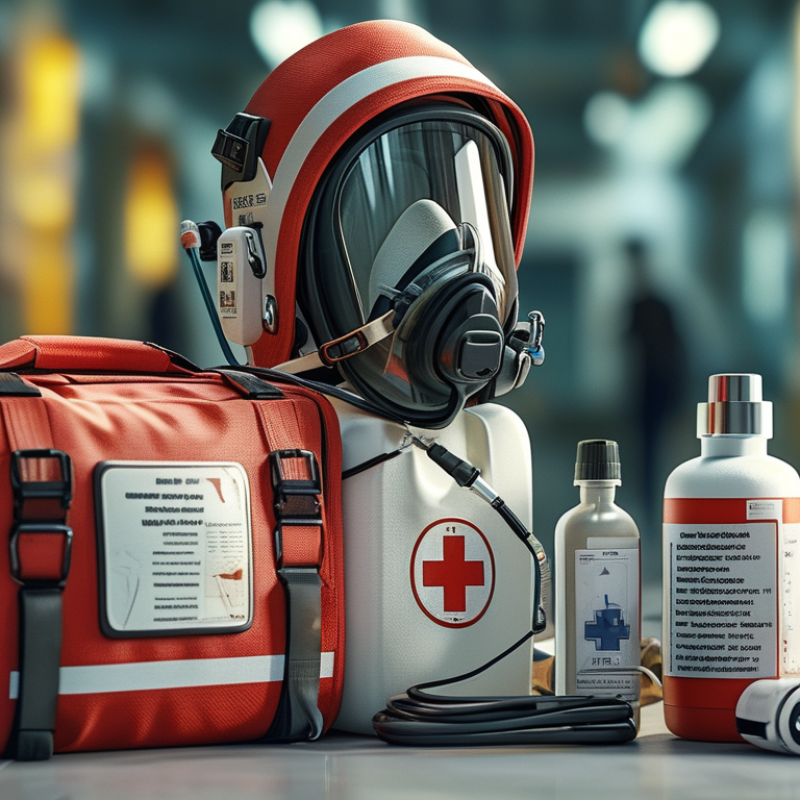
Essential Medical Equipment for Paramedics in Emergency Situations
In emergency situations, paramedics rely on a variety of essential medical equipment to provide effective care. One critical item is a defibrillator, which delivers an electric shock to restore normal heart rhythms. Knowing how to use this device can save lives. Yet, it’s not just about having the equipment; proper training is vital. Every moment counts, and hesitation can lead to dire consequences.
Another must-have is the first aid kit. It should be stocked with bandages, antiseptics, and splints. However, it's not enough to carry these supplies; the paramedic's ability to assess injuries can make a significant difference. Equipment might sit unused if the skills to apply them are lacking. This highlights the need for ongoing education and practice in real-world scenarios.
Airway management tools, such as oxygen masks and advanced airway devices, are equally crucial. They help address respiratory distress, a common issue in emergencies. Paramedics must regularly test their equipment and update their knowledge, ensuring everything functions when needed. This responsibility can weigh on them, but it’s essential for providing high-quality care. Embracing the challenges head-on can improve both response time and patient outcomes.
Personal Protection Gear: Ensuring Safety for Paramedics in the Field
Paramedics often operate in unpredictable environments. Personal protection gear is crucial for their safety in the field. According to the National Highway Traffic Safety Administration (NHTSA), over 50,000 paramedics reported injuries while on duty in 2021. Many of these injuries could have been prevented with proper protective equipment.
Body armor, gloves, and safety goggles are basic essentials for paramedics. These items can shield against various hazards, including bloodborne pathogens and physical trauma. A study published in the Journal of Emergency Medical Services highlighted that almost 40% of paramedics do not use adequate personal protection due to lack of access or training. This gap in safety protocol can have dire consequences.
Additionally, high-visibility clothing is vital. It enhances paramedics’ visibility, reducing the risk of accidents near traffic. Statistics show that roadside incidents are one of the leading causes of injury among emergency responders. Regular training and compliance with safety gear upgrades can minimize risks. Paramedics must continually assess their gear and adapt to emerging threats.
Life-Saving Devices: Key Instruments for Patient Assessment and Resuscitation
When it comes to emergency care, the right tools can make all the difference. Paramedics rely on essential life-saving devices for patient assessment and resuscitation. A stethoscope, for instance, is vital for quick evaluations. It allows paramedics to listen to heartbeats and breathing patterns. This information helps in making immediate decisions about care.
Another crucial device is the automated external defibrillator (AED). This portable machine analyzes a patient's heart rhythm and can deliver shocks if needed. Its ease of use is significant in high-pressure situations. Many bystanders can operate it, enhancing the chances of survival. Knowledge of these devices often varies among paramedics, which can lead to inconsistency in responses.
Monitoring equipment also plays a role in assessment. Blood pressure cuffs and pulse oximeters are commonplace, but they require regular calibration. Neglecting this can lead to inaccurate readings. Training and experience are essential to ensure these tools are used effectively. While guidelines exist, there is always room for improvement in utilizing these instruments in unpredictable environments.
Essential Paramedic Supplies for Effective Care
Basic First Aid Supplies Every Paramedic Should Carry
In the field of emergency medicine, carrying the right first aid supplies is crucial for paramedics. Research shows that more than 50% of emergency cases require immediate attention that can be managed with basic supplies. Essential items include sterile gauze, adhesive bandages, and antiseptic wipes. These tools are vital for controlling bleeding and preventing infections. A well-prepared paramedic is equipped to handle traumatic injuries during transport to a medical facility.
Additionally, the National Association of Emergency Medical Technicians (NAEMT) emphasizes the importance of maintaining a comprehensive first aid kit. A first aid kit should also include splinting materials and scissors for quick access. Paramedics often face time-sensitive situations where every second counts. Without sufficient equipment, the effectiveness of care can diminish significantly. It's noted that even experienced paramedics might struggle with inadequate supplies in critical moments. Regularly inspecting and restocking these supplies ensures optimal readiness.
The lack of structured guidelines on essential supplies can lead to oversight. Some paramedics might neglect to carry emergency blankets or trauma shears. These items are often underestimated but can make a difference in patient outcomes. Therefore, consistent training and refresher courses are recommended. Engaging in discussions with peers can unveil gaps in preparedness that need addressing.
Essential Paramedic Supplies You Need for Effective Care
| Supply Item |
Description |
Quantity |
Purpose |
| CPR Mask |
Protective mask for performing CPR |
1 |
To provide artificial respiration |
| Trauma Dressings |
Large sterile dressings for wound care |
5 |
Control bleeding and protect wounds |
| Tourniquet |
Device for applying pressure to a limb |
1 |
Control severe limb bleeding |
| Oxygen Tank |
Portable tank for delivering oxygen |
1 |
Provide oxygen to patients |
| Defibrillator |
Device to restore normal heart rhythm |
1 |
Treat life-threatening cardiac issues |
| Splint |
Support for broken bones |
2 |
Immobilize fractures |
| First Aid Kit |
Kit containing various medical supplies |
1 |
Treat minor injuries and ailments |
| Gloves |
Disposable gloves for hygiene |
Pack of 10 |
Prevent contamination |
Advanced Medications and Solutions for Effective Emergency Response
In emergency medical services, advanced medications and solutions are crucial for effective patient care. Paramedics rely on a range of essential drugs to stabilize patients before they reach the hospital. According to a study by the National EMS Advisory Council, nearly 70% of ambulance calls require the administration of some form of medication.
Sedatives and analgesics play a vital role in managing pain and anxiety. For instance, fentanyl is often used due to its potency. It provides quick relief for patients suffering from severe trauma or cardiac events. However, the use of such strong medications requires careful consideration. Paramedics must assess the risks of potential respiratory depression or addiction. This complexity underscores the need for ongoing training and adherence to protocols.
Moreover, intravenous fluids remain a cornerstone of emergency treatment. They help in rehydrating patients and maintaining blood pressure. Data shows that timely administration of IV fluids can improve outcomes in critical situations. Yet, some paramedics may face challenges with vein accessibility. This variability calls for innovative solutions, such as ultrasound-guided IV placement. Constantly refining techniques can enhance the efficacy of emergency responses.