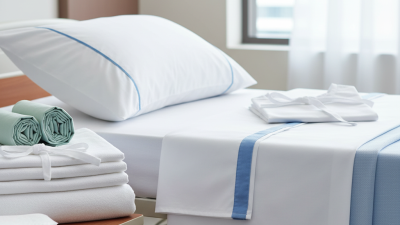
How to Choose Medical Linens in 2026?
Choosing medical linens in 2026 requires more than comparing fabric prices. Hospitals, clinics, and care facilities must examine hygiene, durability, patient comfort, and daily handling. A sheet may feel soft in a showroom, yet fail after repeated industrial washing. That gap matters.
This guide explores how to assess bed sheets, gowns, towels, blankets, and procedure drapes. It considers fiber composition, absorbency, drying time, seam strength, color stability, and compatibility with approved laundering processes. It also examines supplier transparency, product traceability, and evidence from healthcare environments. Experienced laundry managers often notice practical details first, such as fraying hems, slow-drying towels, or labels that fade after several cycles. Small failures create larger workload.
Comfort still matters.
Patients may spend hours against these materials. Rough fabric can disturb sleep, while poor breathability may increase discomfort during recovery. Staff need linens that fold easily, resist tearing, and support safe handling. Reliable choices should align with facility protocols and recognized healthcare textile requirements, not marketing language alone.
There is no perfect option. Reusable linens can reduce recurring waste, but they require disciplined collection, washing, inspection, and replacement systems. Disposable alternatives may simplify certain procedures, yet their total environmental and operating impact deserves careful review. Some recommendations may also change as standards, technologies, and clinical priorities develop. That uncertainty should remain visible. The best decision comes from testing samples, reviewing supplier evidence, and gathering feedback from nurses, laundry teams, infection-prevention professionals, and patients before wider adoption.

Define Medical Linen Types and Their Healthcare Uses
Medical linens are not one product. Bed sheets support clean patient contact and reduce friction during repositioning. Draw sheets help staff move patients and protect mattresses from fluids. Blankets provide warmth, but they must not trap moisture against fragile skin. Towels serve bathing and hand-drying tasks. Gowns, surgical drapes, and absorbent pads offer different levels of coverage and fluid control.
According to the World Health Organization’s Global Report on Infection Prevention and Control 2024, healthcare-associated infections affect about 7 in 100 patients in high-income countries and 15 in 100 patients in low- and middle-income countries. Linen does not cause every infection. Still, poor handling can transfer contamination. The CDC Guideline for Environmental Infection Control in Health-Care Facilities advises separating clean and soiled textiles during storage and transport.
Material choice needs clinical context. Cotton-rich sheets feel breathable and familiar. Blended fabrics often dry faster and resist repeated laundering. Moisture-barrier mattress covers protect foam, while disposable items may suit isolation rooms or heavy contamination. The decision is rarely perfect. Comfort, durability, laundering temperature, and waste must be assessed together.
Tips: Match each linen to its task, not its appearance. Check seam strength after repeated washing. Measure drying time in real conditions. Review incident reports, not only supplier claims. A cheaper sheet may create replacement costs later. Train staff to handle soiled linen gently and avoid shaking it.
Assess Infection Control, Safety, and Regulatory Requirements
How to Choose Medical Linens in 2026?
Medical linens should support infection control, patient safety, and documented compliance. A clean-looking sheet is not enough. Check its fiber construction, absorbency, seam strength, and resistance to repeated industrial laundering. Hospital staff should also assess whether the fabric traps moisture near the skin. Damp bedding can increase discomfort and may contribute to skin problems.
Review the linen’s intended use carefully. Operating-room drapes, patient gowns, towels, and mattress covers require different barrier levels. Confirm that suppliers provide test reports, care instructions, material declarations, and lot traceability. Regulatory requirements differ by location, so purchasing teams should compare local healthcare rules with facility procedures. Claims about fluid resistance or antimicrobial performance must be supported by current evidence. Marketing language alone is weak evidence.
Tips: Inspect samples after several wash cycles. Look for thinning, loose seams, fading labels, or reduced water resistance. Keep laundering records and define replacement triggers. Train staff to separate damaged or heavily soiled items safely. Color coding may help, but it should never replace clear labeling. A perfect checklist is unrealistic. I would still review it after incidents, near misses, and staff feedback. Small failures often reveal larger gaps in handling, storage, or cleaning controls.
Compare Fabric Performance, Comfort, and Durability
How to Choose Medical Linens in 2026?
Medical linen selection should begin with fabric performance, not appearance. A cotton-polyester blend often balances breathability, drying speed, and resistance to repeated washing. Pure cotton feels soft and absorbs moisture well, but it may shrink and wrinkle more easily. Check fabric weight, seam strength, colorfastness, and dimensional stability after laundering. These details matter beside busy beds and stainless-steel equipment.
Comfort affects patients and staff throughout long shifts. Soft, breathable fabric can reduce heat buildup and skin irritation. However, very lightweight linen may tear sooner under frequent handling. In practical laundry assessments, compare samples after several wash cycles, not straight from packaging. Inspect rough seams, thinning areas, and pilling. No fabric wins every ward. I once underestimated drying time, and that mistake disrupted linen availability.
Tips: Request wash-cycle test data before purchasing. Rub fabric against skin for several minutes. Test absorbency with a measured water drop. Check whether fitted sheets retain their shape. Ask laundry staff about folding, stacking, and recurring damage. Their feedback may reveal problems that laboratory figures miss. Keep a small trial batch for real ward use. It may expose weaknesses earlier.
Evaluate Sizing, Maintenance, Sustainability, and Total Cost
Medical linens should fit the workflow, not merely the mattress. Measure mattress length, width, depth, and corner radius before ordering. An undersized fitted sheet exposes edges, while an oversized one creates folds that trap moisture. During ward checks, I look for loose corners after bed movement. Small shifts matter. Allow room for laundering shrinkage, especially with cotton-rich fabric.
A linen’s real performance appears after repeated washing. Review washing temperature, drying time, seam strength, and stain release with laundry staff. Ask for documented test results, not only attractive product claims. Labels must survive heat, chemicals, and frequent folding. Clear color coding can separate clean and used loads. Clinical and infection prevention teams should assess handling procedures together. Poor storage can undo excellent fabric design.
Sustainability needs measurable evidence. Check recycled content, fiber traceability, repair options, and expected service life. Reusable linens may reduce waste, but transport, water, energy, and replacement rates still count. Compare total cost per use, not the purchase price alone. Include labor, rejects, repairs, inventory losses, and emergency replenishment. An inexpensive sheet can become costly after early thinning. I prefer a 12-month pilot with usage data. Still, pilots can mislead when seasons or occupancy change. That limitation deserves honest review.
Select Suppliers and Build a 2026 Medical Linen Plan
How to Choose Medical Linens in 2026?
A strong 2026 medical linen plan starts with patient risk, not fabric price. Grand View Research estimates the global medical textiles market will grow at about 5.8% annually through 2030. That growth reflects rising demand for durable, hygienic products. However, market growth does not guarantee dependable supply. Hospitals should assess absorbency, tear resistance, lint release, colorfastness, and performance after repeated industrial washing.
Supplier selection needs documented evidence. Request test reports, fiber content records, infection-control procedures, and batch traceability. Confirm washing temperatures, drying methods, and replacement cycles. The CDC’s Guideline for Environmental Infection Control advises handling used textiles with minimal agitation. Therefore, suppliers should support sealed collection bags, clear labeling, and delivery controls. Ask for service-level data, not attractive promises. What is the average delivery delay? How many rejected pieces occur monthly?
Build the plan around actual ward usage. Record daily bed counts, procedure volumes, emergency demand, and seasonal occupancy. Keep safety stock for disruptions, but avoid excessive inventory that ages in storage. A practical starting point is a usage audit covering four to eight weeks. Include sheets, gowns, towels, draw sheets, and specialty items separately.
I would review the numbers twice yearly, because one ward’s demand can change quickly. Our first forecast may be wrong. That is useful information, not failure. A 2024 industry analysis from MarketsandMarkets identifies sustainability and reusable textile systems as major healthcare procurement trends, so evaluate water use, repair rates, packaging, and end-of-life handling alongside unit cost.
Related Posts
-
2026 Best Medical Linens for Healthcare Facilities and Home Use?
-
2026 Best Medical Disposable Products for Healthcare Professionals
-
10 Tips for Buying Medical Office Equipment Worldwide
-
Best 10 Care Equipment for Home Health Needs?
-

How to Choose the Best Convalescent Supplies for Recovery?
-

How to Choose the Best Medical Equipment Shop for Your Needs?