How to Source Medical Equipment and Supplies Globally?
Sourcing medical equipment and supplies globally is not simply a purchasing exercise. It is a careful process involving clinical needs, supplier credibility, product quality, logistics, and regulatory responsibility. A hospital may need surgical gloves, diagnostic devices, infusion pumps, or temperature-sensitive medicines. Each item requires different controls.
As WHO Director-General Dr. Tedros Adhanom Ghebreyesus has warned, “No country can produce everything it needs to protect its people.” This reality makes dependable international sourcing essential. However, global access does not mean accepting every attractive quotation. A low price can hide weak documentation, uncertain manufacturing practices, or poor after-sales support.
Experienced procurement teams should verify supplier identities, manufacturing sites, certifications, and quality-management systems. ISO 13485 certification may support confidence, but it should not replace independent verification. Buyers should review product specifications, lot numbers, unique device identifiers, expiry dates, and traceability records. For temperature-sensitive supplies, data loggers and calibrated storage equipment matter. So does the final delivery route.
Customs requirements, import licensing, product registration, and local language labeling must be checked before shipment. Authorized distributors can reduce risk, especially when technical servicing is needed. Post-market surveillance also deserves attention. Problems may appear after installation, not during purchasing.
A spreadsheet can look reassuring. It can also hide missing evidence. Even experienced buyers sometimes overtrust familiar brands or urgent promises. That is a weakness worth examining. Responsible sourcing combines documented expertise with practical inspection, transparent communication, and a willingness to reject questionable deals. The goal is not merely to obtain medical equipment and supplies, but to secure safe, compliant, and dependable products for patients and healthcare professionals.
Define Medical Equipment and Supply Categories
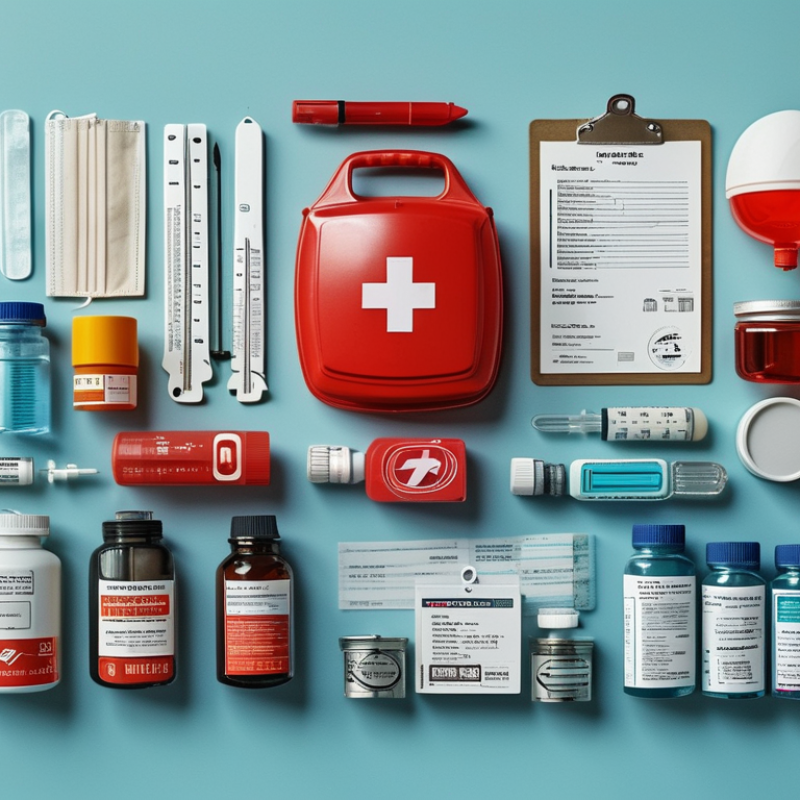
Medical equipment and supplies are not one purchasing group. Define them by intended use, risk, lifespan, and clinical setting. Equipment usually includes durable devices such as patient monitors, infusion pumps, imaging systems, and sterilization units. Supplies are consumed, replaced, or used once, including gloves, dressings, syringes, and specimen containers. The boundary is not always clean. A reusable sensor may need separate accessories and maintenance records.
A practical category map includes diagnostic, monitoring, therapeutic, surgical, laboratory, emergency, and facility-support equipment. Then separate sterile consumables, non-sterile consumables, protective equipment, wound-care items, and waste-handling supplies. For every category, record the intended user, technical specifications, quantity, storage conditions, shelf life, and required documents. Procurement teams should verify conformity evidence, distribution authorization, calibration needs, and import requirements before payment. Requirements vary by country.
Vague labels create expensive mistakes. “Surgical supplies” can hide differences in sterility, material, size, and compatibility. A category sheet should connect each item with a clear description, applicable standards, inspection criteria, and traceability information. Some classifications remain uncertain until a qualified regulatory professional reviews the intended use. That review may slow sourcing, but it can reveal missing certificates, unsuitable packaging, or unrealistic delivery assumptions. Keep the records current. Medical needs change.
Identify Global Sourcing Needs and Supplier Requirements
How to Source Medical Equipment and Supplies Globally?
Global sourcing begins with a precise definition of need. A hospital may require patient monitors, sterile gloves, or portable oxygen equipment. Each item needs a clear use case, quantity, delivery schedule, and technical specification. Include voltage, measurements, materials, packaging, shelf life, and storage conditions. Small omissions can create expensive delays.
Supplier requirements should reflect clinical risk. Request evidence of quality management, product testing, regulatory compliance, and traceability. Confirm lot numbers, inspection records, warranty terms, and complaint procedures. For temperature-sensitive supplies, review cold-chain controls from the factory to the receiving warehouse. A supplier should also explain production capacity during urgent demand.
Do not judge suppliers by price alone. Assess manufacturing experience, financial stability, communication speed, and previous export performance. Independent audits can reveal weak document control or poor warehouse practices. Video calls help, but physical inspections provide stronger evidence. A spreadsheet may look complete while hiding missing certificates. We once treated delivery history as proof of reliability. That was too optimistic. Require samples, verify documents with issuing authorities, and define acceptance criteria before ordering. A written quality agreement can prevent disputes over damaged cartons, short deliveries, or changed materials. Record every decision for later review.
How to Source Medical Equipment and Supplies Globally? - Identify Global Sourcing Needs and Supplier Requirements
Global sourcing reference matrix for evaluating product needs, supplier qualifications, compliance, quality, and logistics.
| Product Category | Typical Sourcing Need | Critical Technical Specifications | Applicable Regulatory or Standards Evidence | Minimum Supplier Requirements | Quality Verification | Logistics and Storage Requirements | Indicative Sourcing Priority |
|---|---|---|---|---|---|---|---|
| Patient Monitoring Equipment | Hospitals and clinics need reliable monitoring for vital signs, emergency care, intensive care, and routine observation. | Measurement range and accuracy; alarm functions; display readability; battery duration; electrical safety; connectivity; compatible accessories. | ISO 13485 quality management evidence; ISO 14971 risk management records; IEC 60601-1 electrical safety documentation; market-specific medical-device registration. | Documented design controls; qualified production site; traceable components; technical file access; complaint and corrective-action process; service capability. | Review calibration certificates, test reports, sample units, software version control, alarm testing, and pre-shipment inspection results. | Protective packaging; battery transport compliance where applicable; dry, temperature-controlled storage according to instructions; spare parts availability. | High |
| Diagnostic Imaging Systems | Imaging capacity is required for diagnosis, screening, emergency assessment, and specialist services in hospitals and diagnostic centers. | Image quality; radiation dose or non-ionizing exposure; detector performance; system uptime; data export; cybersecurity; installation requirements. | IEC 60601-1 and relevant collateral standards; IEC 60601-2 series where applicable; radiation-safety requirements; local device registration and facility licensing. | Proven installation capability; trained service engineers; preventive-maintenance plan; validated software; documented cybersecurity controls; local technical support. | Factory acceptance testing; site acceptance testing; image-quality phantom tests; electrical safety testing; installation qualification; user training records. | Specialized freight handling; site preparation; controlled installation environment; radiation shielding assessment where applicable; long-term maintenance planning. | Strategic |
| Infusion and Administration Devices | Healthcare facilities require accurate delivery of fluids, medications, nutrition, and blood-related products. | Flow-rate accuracy; occlusion detection; free-flow protection; alarm performance; compatibility with tubing; battery operation; cleanability. | ISO 13485; ISO 14971; IEC 60601-1; applicable infusion-pump and electromagnetic-compatibility standards; local medical-device requirements. | Validated manufacturing processes; biocompatibility evidence for patient-contacting parts; software validation where applicable; documented recall procedure. | Flow accuracy testing; alarm verification; leakage testing; material certificates; lot traceability; independent inspection of samples. | Moisture-resistant packaging; protection from impact; battery and charger documentation; storage within the stated temperature and humidity limits. | High |
| Sterilization and Infection-Control Equipment | Operating rooms, dental facilities, laboratories, and clinics need validated processes to reduce microbial contamination and support safe reuse. | Cycle temperature and pressure; exposure time; load capacity; drying performance; biological and chemical indicator compatibility; process recording. | Relevant ISO 17665 requirements for moist-heat sterilization; ISO 14937 for general sterilization processes; local infection-control rules and electrical-safety standards. | Process validation capability; preventive-maintenance records; qualified installation technicians; user training; service response commitments; spare-part continuity. | Cycle validation; temperature and pressure mapping; biological-indicator results; calibration records; installation and operational qualification. | Heavy-equipment handling; water and drainage requirements; ventilation; utility compatibility; protected indoor storage; site commissioning before use. | Strategic |
| Laboratory Consumables | Laboratories need continuous supplies for sample collection, preparation, testing, and controlled storage. | Material composition; dimensions; sterility status; endotoxin limits where relevant; chemical resistance; lot size; compatibility with laboratory procedures. | ISO 13485 where classified as medical devices; ISO 10993 biocompatibility evidence for patient-contacting products; applicable laboratory and sterile-product requirements. | Consistent raw-material sourcing; lot traceability; certificate of analysis; contamination-control procedures; documented change notification; stable capacity. | Incoming inspection; dimensional checks; sterility or bioburden testing where applicable; packaging-integrity tests; sample-based lot approval. | Stock rotation by expiry date; clean and dry storage; temperature control for sensitive products; packaging protection against dust and moisture. | High |
| Personal Protective Equipment | Healthcare workers need protection from droplets, aerosols, blood, body fluids, chemicals, and other occupational hazards. | Filtration performance; fluid resistance; fit and sizing; breathability; seam integrity; splash protection; material safety; packaging count. | Applicable national PPE legislation; relevant test methods for medical masks, respirators, gowns, gloves, and eye protection; ISO 13485 where the product is regulated as a medical device. | Verified material sources; production-capacity evidence; test reports from competent laboratories; lot coding; packaging and labeling controls; business-continuity plan. | Pre-shipment sampling; filtration and fluid-resistance tests; visual inspection; glove leakage testing where relevant; packaging and label verification. | Clean, dry, pest-free storage; protection from heat and sunlight; carton compression control; expiry-date management; rapid replenishment planning. | Critical |
| Mobility and Patient-Care Equipment | Facilities need products that support patient transfer, mobility, positioning, daily care, and fall-risk reduction. | Safe working load; frame strength; braking performance; adjustment range; ergonomic design; cleanability; corrosion resistance; replacement-part compatibility. | ISO 13485 where applicable; ISO 14971 risk management; relevant product-specific safety standards; local device classification and registration requirements. | Material and load-test documentation; usability evaluation; production inspection; warranty terms; repair instructions; training and service support. | Load testing; brake and stability checks; weld inspection; dimensional verification; finish and corrosion inspection; review of user instructions. | Oversized shipment planning; impact-resistant packaging; assembly instructions; storage away from moisture; on-site assembly and functional checks. | Medium |
| Refrigerated and Temperature-Sensitive Supplies | Vaccines, specimens, reagents, and selected medicines require controlled conditions throughout international transport and storage. | Approved temperature range; excursion limits; usable volume; monitoring accuracy; alarm capability; backup power; packaging qualification. | WHO guidance for temperature-controlled health products; GDP requirements where applicable; calibrated monitoring practices; product-specific regulatory conditions. | Validated cold-chain procedures; calibrated data loggers; excursion-management process; qualified packaging; documented carrier handoff controls. | Review temperature-mapping studies; packaging qualification; logger records; calibration certificates; lane-risk assessment; receipt inspection procedure. | Continuous temperature monitoring; insulated packaging; expedited customs clearance; contingency storage; clear handling labels; defined maximum transit time. | Critical |
| Emergency and Resuscitation Equipment | Emergency departments, ambulances, and community facilities need dependable equipment for rapid response and life-support procedures. | Response time; energy output or operating performance; battery capacity; alarm reliability; environmental tolerance; portability; accessory availability. | IEC 60601-1 and relevant particular standards; ISO 14971; electrical and electromagnetic-compatibility testing; local emergency-device registration. | 24-hour technical escalation; preventive-maintenance schedule; operator training; battery replacement plan; verified software and accessory compatibility. | Functional testing under simulated use; battery and alarm testing; electrical safety inspection; accessory verification; serial-number traceability. | Shock-resistant packaging; battery transport documentation; rapid delivery options; secure storage; routine readiness checks after receipt. | Critical |

Evaluate International Manufacturers and Verify Credentials
How to Source Medical Equipment and Supplies Globally?
Evaluate International Manufacturers and Verify Credentials
Global sourcing begins with evidence, not attractive catalogs. The World Health Organization’s 2022 Global Report on Assistive Technology estimates that more than 2.5 billion people need assistive products. Demand is growing, but supplier quality can vary sharply. A low price is not proof of value. Ask for the manufacturer’s legal registration, factory address, product classification, and quality-management certificate. Confirm the certificate directly with the issuing body. Never rely on a scanned PDF alone.
Check whether the certificate covers the exact product and manufacturing site. Review inspection records, corrective-action history, complaint handling, and post-market monitoring. Request recent batch records, sterilization validation, shelf-life evidence, and traceability procedures. The International Organization for Standardization identifies ISO 13485 as the key quality-management standard for medical devices, but certification does not guarantee every shipment is perfect. Scope matters. So does ongoing control.
A remote audit can reveal useful details. Watch how workers label cartons, separate rejected units, and record temperature conditions. Ask for an unedited facility tour. Then test samples through an independent laboratory when risk justifies the cost. The WHO has reported that up to 70% of medical equipment in some low-resource settings becomes unusable or partly usable, often because maintenance and training were overlooked. That warning should shape supplier evaluation. A careful team may still miss something. Build contracts with inspection rights, replacement terms, spare-parts support, and clear documentation duties. Reliability is tested after delivery.
Manage Regulations, Quality Standards, and Import Compliance
How to Source Medical Equipment and Supplies Globally?
Global sourcing begins with regulatory classification, not price comparison. A device’s intended use determines its registration route, labeling duties, and evidence requirements. WHO’s Global Report on Medical Devices states that more than two million device types exist worldwide. That scale makes classification errors easy to overlook.
Traceability matters. Suppliers should provide batch records, certificates of analysis, sterilization evidence, and clear storage instructions. For higher-risk equipment, request a quality system aligned with ISO 13485 and risk controls based on ISO 14971. Confirm electrical safety testing when applicable. Also verify the importer of record, local representative, customs documents, and unique device identification rules. A missing temperature log can damage a shipment before customs releases it.
Quality is not only a factory issue. Audit production sites, inspect packaging, and test samples against agreed specifications. Review complaint handling and recall procedures before signing. OECD’s Health at a Glance 2023 reports average health spending of 9.2% of GDP across OECD countries in 2022. Buyers therefore face strong pressure to control costs, but cheaper sourcing can create expensive compliance failures. I would not treat any checklist as complete. Regulations change, and supplier documents can become outdated. Build a written compliance matrix for every destination, then obtain independent regulatory review when the risk or product complexity justifies it.
Arrange Purchasing, Shipping, Installation, and After-Sales Support
Global medical equipment sourcing begins with a documented purchasing plan. Define the clinical purpose, technical specifications, quantity, budget, and delivery deadline. Confirm that each item meets the destination country’s registration and safety requirements. A compliance specialist should review certificates, user manuals, labeling, and warranty terms before payment. Details matter.
Choose suppliers through verified records, production evidence, and clear communication. Request inspection photos, serial number lists, packaging details, and a complete commercial invoice. Payment milestones can reduce risk, especially when the order includes several equipment categories. However, low prices may hide weak documentation or expensive spare parts. This is where many purchasing plans become unrealistic.
Shipping needs more than a freight booking. Protect sensitive devices with moisture barriers, shock indicators, and temperature controls when required. Check customs documents before dispatch, then track the shipment against the installation schedule. At the site, trained technicians should inspect the package, assemble the equipment, test electrical connections, and record acceptance results. Keep records.
After installation, provide practical user training with simple operating steps and safety procedures. Arrange remote or local technical support, response times, preventive maintenance, and access to replacement parts. A written after-sales process should explain who handles faults and which costs are covered. In practice, teams sometimes focus on delivery and overlook staff turnover. Training materials should therefore remain available after handover. Plans also need review; shipping delays, incomplete rooms, or missing utilities can disrupt an otherwise sound project.
Related Posts
-
Top Tips for Supplying Medical Equipment Effectively?
-
What is Medical Medical Supplies and How Do They Impact Healthcare?
-
How to Source Medical Supplies for Global Procurement?
-
How to Source All Medical Supply Needs for Your Business?
-
2026 Best Medical Supplies for Global Buyers to Consider?
-
What is Medical Supplies for Global Buyers?