
10 Tips for Buying Medical Office Equipment?
Buying medical office equipment is not simply a matter of choosing the newest model. It affects patient safety, staff efficiency, documentation, and daily operating costs. A quiet exam table can improve consultations, while an unreliable autoclave can disrupt an entire morning. Small details matter.
Healthcare quality expert Dr. Atul Gawande wrote, “Better is possible. It does not take genius. It takes diligence.” That principle applies directly to equipment purchasing. Buyers should examine clinical needs, room dimensions, maintenance requirements, user training, warranty coverage, and supplier reliability. A low purchase price may look attractive, but replacement parts, calibration, installation, and downtime can change the real cost.
Do not trust assumptions.
The best decision usually comes from observing the workflow before reviewing product brochures. Ask nurses where delays occur. Check whether examination chairs fit comfortably beside mobility aids. Confirm that electrical outlets, ventilation, cleaning surfaces, and storage space support the equipment safely. Staff feedback is valuable, although it may reflect personal habits rather than universal needs. That is worth questioning.
This guide presents ten practical tips for selecting medical office equipment with greater confidence. It also considers budgeting, compliance expectations, cybersecurity, ergonomics, and future expansion. No checklist can predict every problem. A purchase may still require adjustment after installation. Careful evaluation, documented comparisons, and honest conversations with qualified vendors can reduce that risk and support a more dependable medical practice.
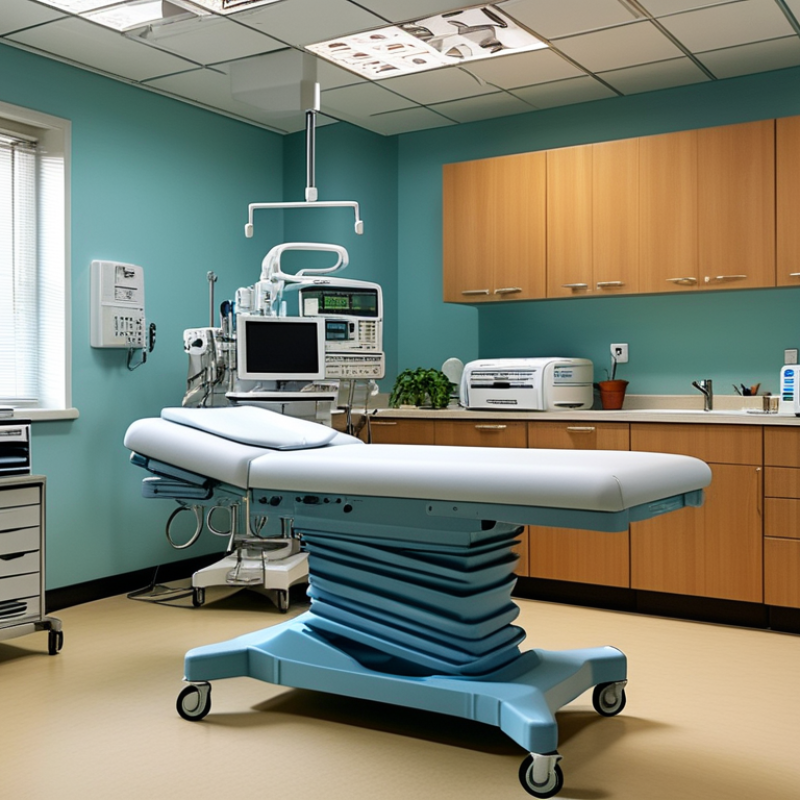
Define Clinical Needs First: WHO Reports 1 in 10 Patients Experience Harm
Define clinical needs before comparing prices. The World Health Organization reports that 1 in 10 patients experiences harm during healthcare delivery. More than half of this harm is considered preventable. Equipment selection therefore affects safety, workflow, and clinical outcomes.
Tip 1: Map the care pathway. Observe how staff assess, treat, clean, move, and monitor patients. Record delays, repeated manual steps, and confusing alarms. A device may look advanced but still create extra work. Ask nurses and technicians to test controls with gloved hands. Their practical experience often reveals problems missed in demonstrations.
Tip 2: Match equipment to measurable risks. Check accuracy, alarm limits, infection-control requirements, maintenance access, and user training. ECRI’s annual health technology hazard reports repeatedly identify alarm management, device integration, and insufficient training as persistent safety concerns. The U.S. FDA also emphasizes proper maintenance, servicing, and user instruction throughout medical device life cycles. These are not paperwork details. They influence daily reliability.
Tip 3: Examine the total cost of ownership. Include calibration, consumables, software support, cleaning supplies, downtime, and replacement parts. The OECD has linked patient safety improvement with stronger reporting and learning systems, not isolated equipment purchases. Create a small pilot before committing. It may expose an awkward truth: the most expensive option is not always the safest, and the cheapest can become costly quickly. Review findings with clinicians, biomedical engineers, infection-prevention staff, and patients where appropriate.
Classify Device Risk Correctly: FDA Uses Three Medical-Device Classes
Buying medical office equipment starts with a risk question, not a price question. The FDA classifies devices into three categories based on patient risk and required controls. Class I devices generally present the lowest risk, while Class III devices support or sustain life and require the strongest oversight. The FDA Device Classification Database estimates that about 47% of devices are Class I, 43% are Class II, and 10% are Class III.
Ask for the device’s FDA product code, classification, and regulatory pathway. A Class II device may require special controls or 510(k) clearance. A Class III device may require premarket approval. These terms are not interchangeable. The FDA’s 2023 CDRH annual data recorded thousands of 510(k) submissions, showing how common this pathway is, but clearance does not replace staff training or maintenance planning. I once focused too heavily on specifications. That was a mistake.
Check whether the intended use matches the FDA-cleared use. Confirm electrical safety documents, cleaning instructions, calibration intervals, and service records. Review complaint trends through the FDA MAUDE database, which contains millions of medical-device reports and can reveal recurring failure patterns. Ask who will inspect the equipment weekly. Small details matter, such as cracked cables, unreadable labels, or missing alarm tests. Risk classification guides purchasing, but real-world handling can increase risk. Sometimes, the safest choice is not the most advanced device.
Calculate Total Ownership Costs: Purchase, Training, Maintenance, and Disposal
A low purchase price can hide significant ownership costs. Look beyond the quote. Include delivery, installation, software setup, and room modifications. A device may require dedicated power, ventilation, or a stable work surface. Ask the supplier for a complete cost schedule, not only the invoice price.
Training is another practical expense. Estimate paid staff hours, travel, and refresher sessions for new employees. Record who needs training and how often competency must be checked. Maintenance may include service contracts, calibration, replacement parts, cleaning supplies, and emergency repairs. Small charges accumulate. A single day of downtime can disrupt appointments and reduce patient access. Compare warranty coverage carefully, including response times and loaner equipment availability.
Disposal should enter the budget before purchase. Confirm whether the equipment contains batteries, electronic components, or materials requiring controlled handling. Follow local waste and environmental rules. Keep disposal records for accountability. In my experience, offices often underestimate staff time more than repair costs. That estimate may still be wrong. Review real expenses after six and twelve months, then update future purchasing plans. A simple spreadsheet can separate fixed costs from usage-based costs and reveal whether the equipment remains financially practical. Consult a qualified biomedical technician when maintenance risks are unclear. Reliable decisions need documented assumptions, realistic usage figures, and room for unexpected repairs.
10 Tips for Buying Medical Office Equipment: Calculate Total Ownership Costs
| # | Equipment Category | Key Buying Tip | Purchase Price | Installation & Training | Annual Maintenance | 5-Year Maintenance | Disposal Cost | 5-Year Total Ownership Cost |
|---|---|---|---|---|---|---|---|---|
| 1 | Powered Examination Table | Check patient-weight capacity, cleaning compatibility, adjustability, and warranty coverage. | $3,500 | $300 | $420 | $2,100 | $250 | $6,150 |
| 2 | Vital Signs Monitor | Confirm measurement accuracy, compatible cuffs and sensors, battery life, and software support. | $2,800 | $200 | $350 | $1,750 | $150 | $5,100 |
| 3 | 12-Lead ECG System | Review interpretation workflow, data export options, lead replacement costs, and staff training needs. | $2,500 | $300 | $400 | $2,000 | $200 | $5,000 |
| 4 | Portable Ultrasound System | Evaluate probe selection, image quality, cybersecurity, service response time, and application training. | $35,000 | $1,500 | $3,500 | $17,500 | $1,500 | $55,500 |
| 5 | Steam Sterilizer | Verify cycle capacity, utility requirements, monitoring records, preventive service, and installation space. | $7,500 | $700 | $900 | $4,500 | $500 | $13,200 |
| 6 | Refrigerated Centrifuge | Compare rotor capacity, temperature range, balancing controls, noise level, and calibration requirements. | $6,500 | $600 | $800 | $4,000 | $450 | $11,550 |
| 7 | Medical Refrigerator | Look for temperature alarms, continuous monitoring, backup power planning, and documented calibration. | $4,000 | $300 | $600 | $3,000 | $300 | $7,600 |
| 8 | Spirometry System | Assess calibration tools, disposable components, infection-control workflow, and electronic record integration. | $2,500 | $250 | $350 | $1,750 | $150 | $4,650 |
| 9 | Automated External Defibrillator | Check battery and pad replacement intervals, readiness indicators, staff certification, and local regulations. | $1,800 | $250 | $300 | $1,500 | $100 | $3,650 |
| 10 | Minor Procedure Examination Light | Compare illumination, positioning range, cleaning resistance, electrical requirements, and replacement parts. | $6,500 | $500 | $700 | $3,500 | $400 | $10,900 |
| Estimated Portfolio Total | $72,600 | $4,900 | $8,420 | $42,100 | $4,000 | $123,600 | ||
Prioritize Infection Control: CDC Reports 1 in 31 Hospital Patients Has an HAI
Infection control should guide every medical office equipment purchase. The CDC reports that about one in 31 hospital patients has at least one healthcare-associated infection (HAI). Outpatient settings differ, but the risk still deserves practical attention. A busy exam room can expose equipment to blood, respiratory droplets, skin oils, and disinfectant residue. Choose smooth, sealed surfaces with minimal seams. Avoid deep grooves and decorative joints that trap debris.
Tip: Request the cleaning instructions before buying. Confirm that the equipment tolerates the disinfectants used in your clinic. Ask how often removable parts require inspection or replacement. A disposable cover may reduce exposure, but it cannot replace proper cleaning. I have seen teams focus on purchase price and overlook cleaning time. That mistake can become expensive.
Tip: Test the workflow with real staff. Place the equipment beside a sink, waste container, and hand-hygiene station. Check whether staff can clean handles, controls, wheels, and cables without awkward bending. Equipment should support standard precautions, not obstruct them. Keep instructions visible. Short training matters. Staff may understand infection control, yet still miss a hidden contact point during a rushed room turnover.
Ask for service records, material specifications, and documented safety testing. Consult an infection prevention professional when the equipment involves examination, sterilization, respiratory care, or reusable instruments. A reliable supplier should answer clearly, not vaguely. If the cleaning guidance is missing, pause the purchase. That hesitation is reasonable. Availability matters, but a device that cannot be cleaned consistently is a poor choice.
Verify Compliance and Support: Apply OSHA Rules and AAMI Standards Before Buying
Buying medical office equipment involves more than comparing prices and features. Compliance should be checked before the purchase order is approved. Review applicable OSHA requirements for electrical safety, ergonomics, infection control, and workplace hazards. Requirements may differ by location and facility type. Ask the supplier for manuals, safety certifications, risk information, and installation instructions. Missing paperwork is a warning sign.
AAMI standards can guide equipment selection, cleaning, sterilization, maintenance, and performance checks. They may not replace local regulations, but they provide useful technical benchmarks. Confirm that the equipment supports your clinic’s procedures. For example, a treatment chair should have stable locking parts, accessible controls, and surfaces that tolerate approved disinfectants. Ask who will install it and how staff training will be documented. Get support details in writing.
Do not ignore service after delivery. Request preventive maintenance schedules, inspection intervals, and replacement-part availability. A short response from the supplier may indicate weak support. Test the equipment in the actual room before final acceptance, if possible. Check doorway width, outlet placement, noise, cleaning access, and staff reach. Small oversights become daily problems. Even a careful checklist can miss something; ask a nurse, technician, and safety officer to review it separately. Their practical feedback may challenge the original purchase decision. Keep every record, including training notes and corrective actions.
Related Posts
-
How to Source Medical Equipment and Supplies Globally?
-

Top 10 Essential Medical Supplies Every Healthcare Provider Needs
-

Top Tips for Supplying Medical Equipment Effectively?
-

What is Medical Medical Supplies and How Do They Impact Healthcare?
-

How to Source Medical Supplies for Global Procurement?
-

How to Source All Medical Supply Needs for Your Business?